From One Island to Another
by: Michael Laprade
Editor's Note: This is Michael Laprade's first for our Excursion page. The page was created many years ago by Rex Ennis. This is a first excursion for Michael, but I bet he will have many more. If you have a special place that you feel our Islanders should know about - let us know.
The Thousand Islands to Iceland
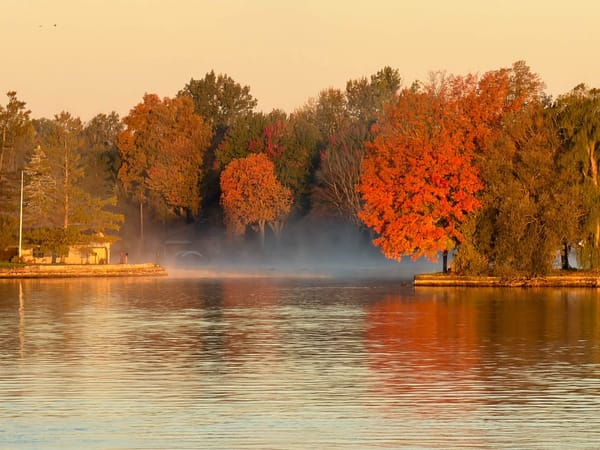
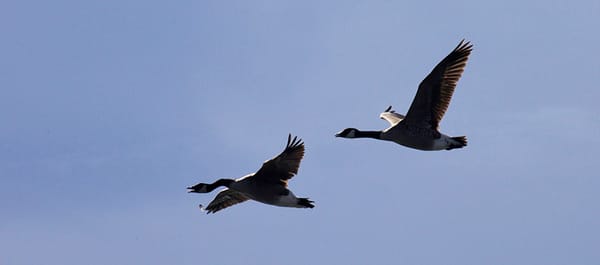
Every October, like migrating birds, we leave the Thousand Islands and head to our home in sunny California.
We love snow and cold—but only in Christmas movies.
This year, we decided to make a detour before heading home: Iceland. We spend our summers surrounded by thousands of islands, so why not visit one in the middle of the North Atlantic? Curiously, Iceland has far less snow and ice than Greenland. The Vikings probably got their labels mixed up.
WELCOME TO ICELAND
The moment you step off the plane, you know you are not in Kansas anymore—or the Thousand Islands, for that matter. The architecture is different. The landscape is different. The weather is very different. And then there are the names. We discovered that finding a destination was easier than pronouncing it.
Hallgrímskirkja. Sólheimahjáleiga.
Try saying either of them three times quickly. We wondered whether we had accidentally flown to Russia.
THE WEATHER HAS ATTITUDE
We drove the entire 1,500-kilometre (900 miles) Ring Road that circles Iceland. The interior of the country is largely inaccessible, occupied by mountains, glaciers, lava fields, and some spectacularly inhospitable terrain. So, most of the population—and most of the roads—hug the coast.
The weather, however, does whatever it pleases. In one day we experienced sunshine, snow, and torrential rain.
The rain deserves special mention. In Iceland, a raincoat and umbrella are not signs that you are prepared. The wind can rip an umbrella out of your hand before you have finished opening it. Unless you are wearing waterproof pants and waterproof boots, you will get thoroughly and intimately wet.
We were.
Some of Iceland's best sights require a kilometer or two of walking from the parking lot, over gravel paths into ankle-deep muddy water.
FIRST IMPRESSIONS
Iceland is majestic, spectacular, and beautiful and the people are friendly.
It is also sparse, remote, and in many places, barren. The entire country has a population of only about 370,000—roughly two and a half times the population of Kingston, ON. 60% live in and around Reykjavík. Outside the capital, you can drive for miles without seeing another car. What you do see are mountains, glaciers, lava fields, waterfalls, sheep, and landscapes.
A FEW ICELANDIC FACTS
• Only about 1% of Iceland's land is considered arable.
• Only about 2% of the country is forested.
• An Icelandic horse that leaves the country cannot return, because of strict disease-control rules.
• There are no McDonald's restaurants in Iceland.
• Amazon does not operate a domestic retail service here.
• Iceland has no standing army, navy, or air force.
• There are no trains.
• Beer was illegal until 1989.
• Until 1987, television broadcasting was restricted on Thursdays—a way of encouraging families to talk to one another.
• And, of particular interest to Thousand Islanders: there are no mosquitoes. You can even snorkel between the North American and Eurasian tectonic plates in remarkably clear glacial water.
EXPENSIVE? YOU HAVEN'T SEEN ANYTHING YET
We occasionally complain about prices at home. Here, everything from meals to gasoline can produce the same reaction: How much? Parking lots have a way of separating tourists from their money.
If you are looking for amusement parks, grand castles, cities, or endless shopping, you have chosen the wrong island. But, if you like unusual and remarkable geology, remote landscapes, glaciers, volcanoes, waterfalls, and places that make you stop the car every ten minutes to take another photograph, you have come to heaven.
There are more than 10,000 waterfalls in Iceland. After a while, waterfalls become so common that you drive past them without stopping. There may be relatively few cattle and horses, but there seem to be millions of sheep.
Being intrepid travelers, we make a point of seeking out UNESCO World Heritage Sites. To us, going somewhere and missing one is like visiting Paris and forgetting the Eiffel Tower. We've now visited 146 World Heritage Sites in 42 countries.
We still have a few to go.
REYKJAVÍK
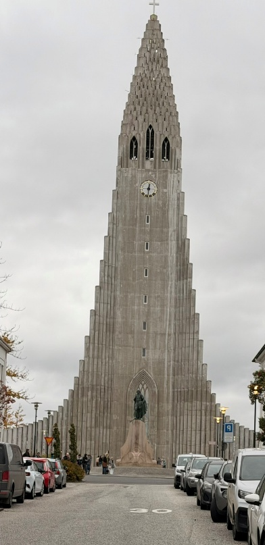
Our first stop was Hallgrímskirkja, Iceland's tallest and most recognizable church and Reykjavík's great landmark.
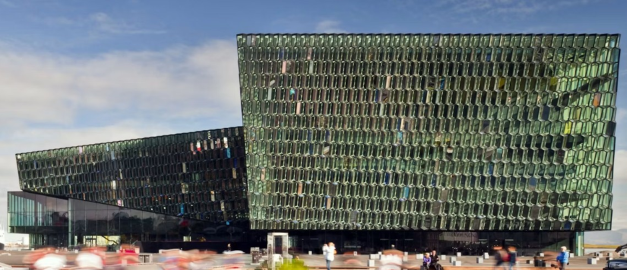
Nearby is Harpa Concert Hall, another Reykjavík landmark, its glass façade reflecting the sky and water. Modern, dramatic, and slightly strange.
TINGVELLIR
Then came Tingvellir, a UNESCO World Heritage Site and one of the most historically and geologically remarkable places in Iceland. An open-air parliamentary assembly was established here around 930 AD and continued until 1798.
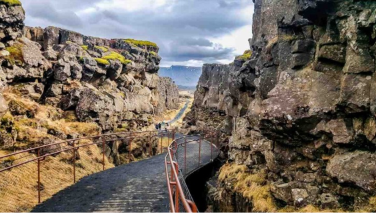
Tingvellir also sits directly on the Mid-Atlantic Ridge, where the North American and Eurasian tectonic plates are pulling apart. Here, you can see the geological crack between continents. For a Thousand Islander accustomed to seeing islands separated by a few hundred feet of water, it was humbling to realize that the entire landscape beneath our feet was slowly coming apart.
GEYSIR AND GULLFOSS
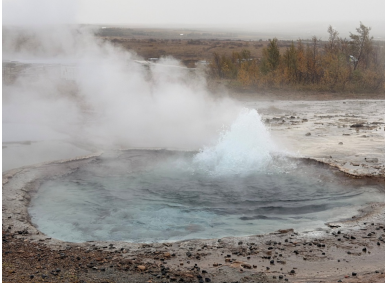
Geysir gave its name to every geyser in the world. Every few minutes, it can shoot a column of boiling water 30 meters into the air.
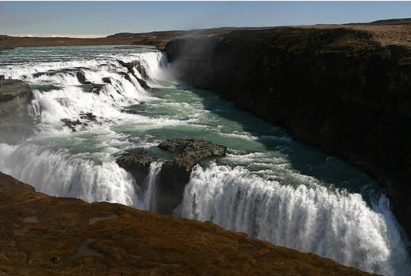
Then there is Gullfoss—a massive, two-tiered waterfall that seems intent on demonstrating what happens when an entire river decides to jump off a cliff. It could fill 4 Olympic sized swimming pools every second.
WATERFALL COUNTRY
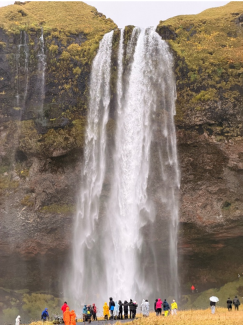
At Seljalandsfoss, you can actually walk behind the falling water.
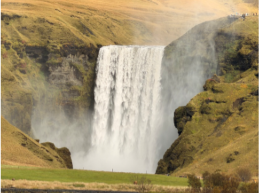
At Skógafoss, a 60-metre curtain of water crashes over the edge with enough force to create spectacular rainbows.
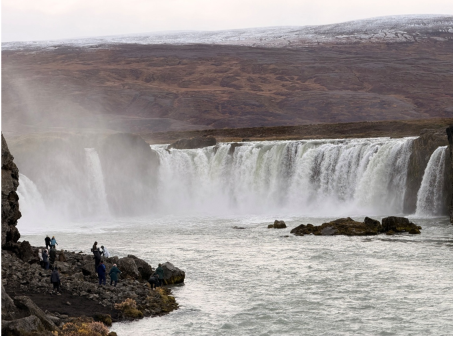
And then there is Goðafoss—the Waterfall of the Gods.
BLACK SAND AND PETRIFIED TROLLS
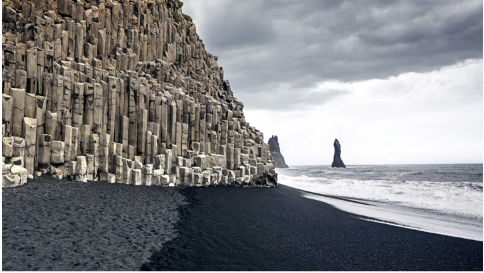
This is Reynisfjara, the volcanic jet black-sand beach.
The cliffs are made of extraordinary basalt columns. According to legend, they are petrified trolls who were caught by sunlight while trying to drag a ship ashore.
Further east, the landscape became increasingly otherworldly.
FIRE AND ICE
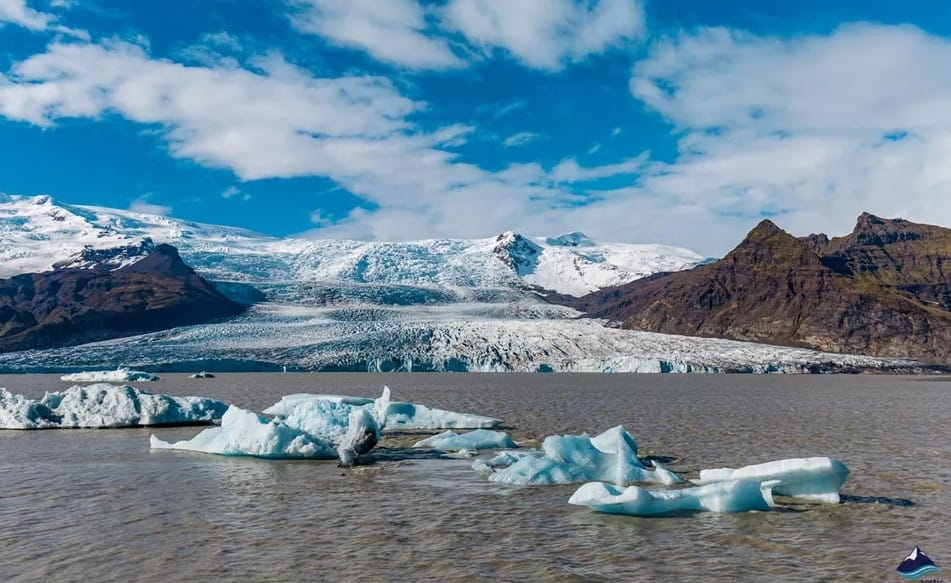
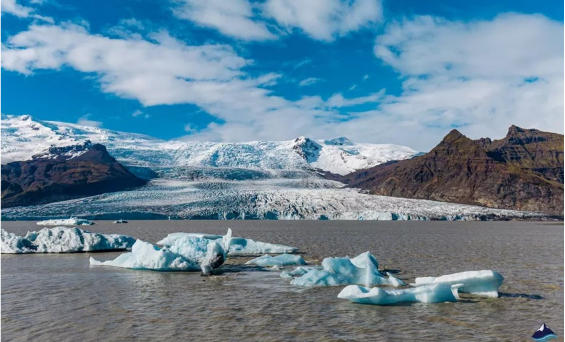
Then came Vatnajökull, Iceland's largest glacier.
It covers a vast area and sits above eight active volcanic systems—a perfect example of Iceland's defining geological combination: fire and ice. Vatnajökull National Park is itself a UNESCO World Heritage Site.
THE LANDSCAPE NEVER STOPS
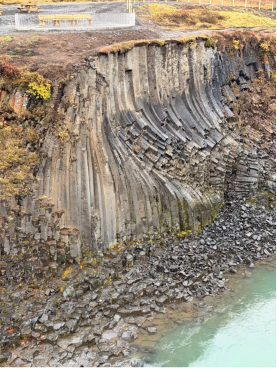
We saw the basalt columns of Stuðlagil Canyon.
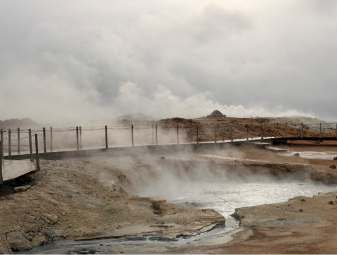
Hverir geothermal area, bubbling mud pots, steaming fumaroles.
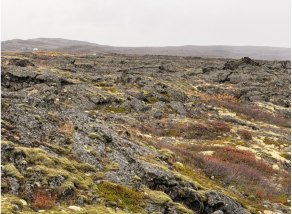
Cracked lava fields.
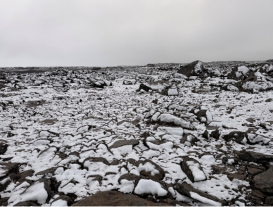
Snow-covered volcanic landscapes.
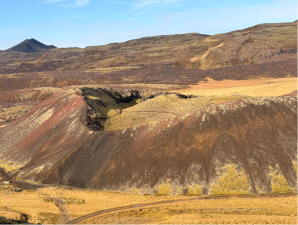
Grabrok Crater. Reachable after climbing only 561 steps.
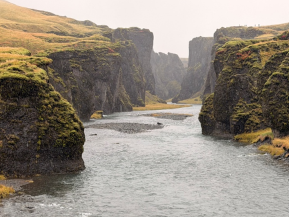
Fjaðrárgljúfur Canyon.
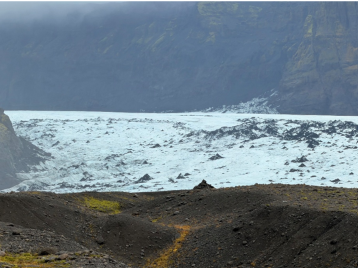
Glaciers.
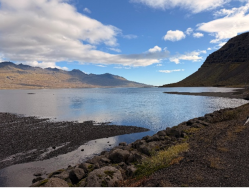
Endless landscapes
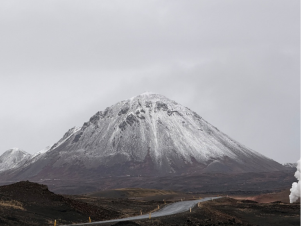
Volcano
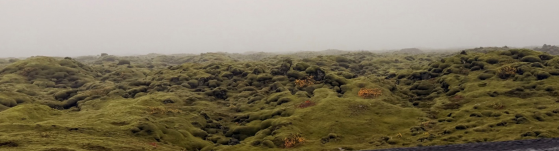
Roadside volcanic terrain
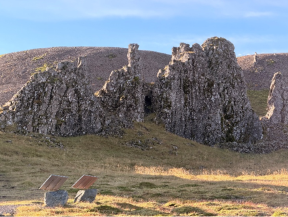
Unusual geology
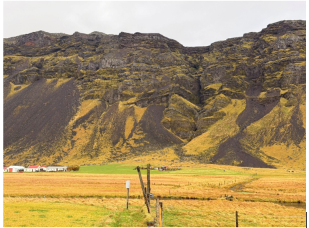
Volcanic cliffs
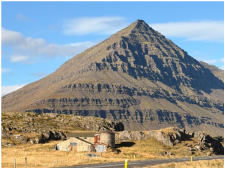
Shark tooth mountain
At times, it felt less like driving through a country and more like driving across another planet.
FROM ONE ISLAND TO ANOTHER
Back home, we live on a small island in a River surrounded by thousands of other islands.
In Iceland, we found ourselves on one enormous island surrounded by an ocean. Both places have water, rock, wind, and weather. In Iceland, we discovered the Icelandic version of shelter: getting back into the rental car.
After nine days, 1,500 kilometers, countless waterfalls, several glaciers, volcanic craters, black sand beaches, steaming mud pots, and more sheep than we could count, we finally pointed the car toward Reykjavík.
We had gone from one island to another. And we came home with two conclusions:
The Thousand Islands is still our favorite place to be in the summer.
But Iceland was a spectacular place to have driven through.
And next October? Off to Newfoundland! And onto the next adventure.
By Michael Laprade
Michael Laprade and his wife Janice are retired Californians, who spend the summer at their “Honey Bee Island” property. It is located in the International Rift, between Blacksnake Passage at the mouth of Lake of the Isles and the stone span of the US / Canadian Customs Bridge. Michael is a former prison administrator, and also is a Professional Magician. He started to write for TI Life in October 2013, when Michael and his wife, Janice wrote Honey Bee Island’s Little Free Library. Since then he has written over a dozen articles. This is his first for our Excursion page. The page was created many years ago by Rex Ennis. This is a first excursion for Michael, but I bet he will have many more. If you have a special place that you feel our Islanders should know about - let us know.
All photos in this article were taken by the author.