Lucy’s Last Gift
by: Michael Laprade
Parents should never have to bury their children.
In 2019, Lucy Reff was engaged to her longtime boyfriend, and the two were busy planning their wedding. She had just bought her wedding dress and was excitedly looking forward to the big day.
Lucy was also about to begin her final semester at Upstate Medical University, where she was training to become a respiratory therapist. She had a career ahead of her and a wedding to plan.
Instead, she died.
Lucy had recently complained about headaches. Her doctor sent her home with pain medication. When the headaches continued, she went to the emergency room and was again given pain medication. No diagnostic tests were performed. Lucy died from the effects of an undiagnosed colloid cyst that caused catastrophic and irreversible brain damage.
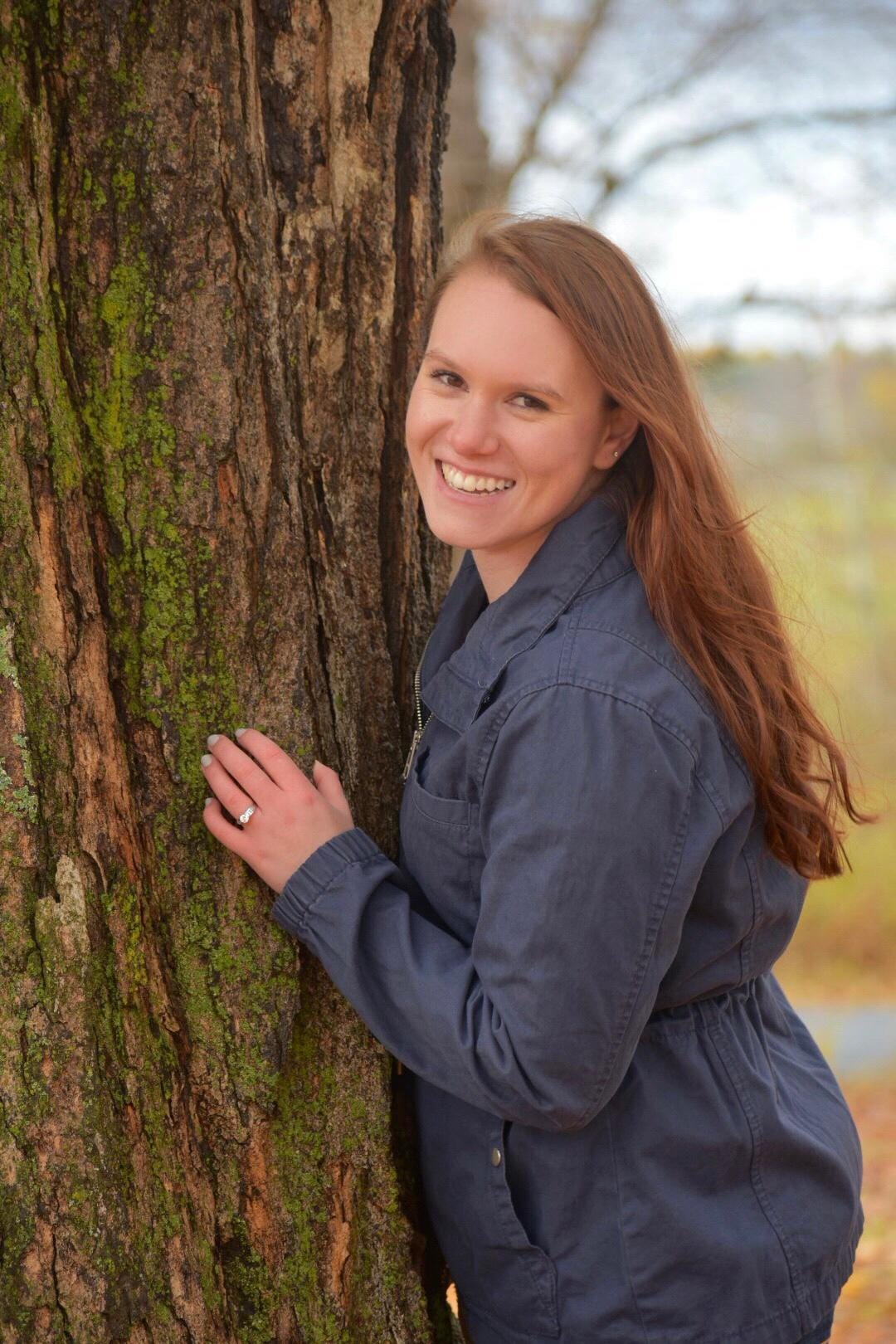
She was 23.
Her parents, Laura and Mark, her brother Joshua, and her fiancé Skyler were devastated. Still, they made the extraordinary decision to donate Lucy’s organs. Lucy had never registered as an organ donor. Both of her parents had, and the family knew what Lucy would have wanted.
Her heart, liver and both kidneys were donated, giving four other people the chance to continue living.
Lucy was buried in her wedding dress.
The people Lucy saved
One of Lucy’s kidneys went to Rick Clark, who lives in Webster NY. He had been on dialysis for 3 years when he got the call that a suitable kidney had become available. His surgery went smoothly and he was back home in just a few days. He feels fantastic and is extremely grateful that this gift has allowed him to meet his two granddaughters and spend time with them.
Every year on the anniversary of his transplant he sends Lucy’s mother flowers.
The other kidney went to a woman who later passed away.
Lucy’s heart went to Dr. Alin Gragossian, an intensivist living in Arizona who is herself involved in the organ-donor program. She was just 30 when she received Lucy’s heart. At a recent checkup, Alin sent Lucy’s mother, Laura, a video of her echocardiogram.
There, on the screen, was Lucy’s heart.
Still beating.
Still doing what hearts do.
Only now, it was beating inside someone else. It is difficult to imagine a more beautiful final act of love.
Like many organ recipients, Alin has felt a strong need to give back for the extraordinary gift—and the years—it has given her.
Lucy’s liver went to Carol Bologna of Long Island, New York. Carol was 71 when she received the transplant and had been given approximately 24 hours to live.
After the organ was helicoptered from Syracuse to New York City, her surgery was long and difficult, followed by an eight-week recovery filled with complications. At first, Carol wondered whether Lucy’s liver should have gone to someone younger.
She also discovered that transplantation comes with a long list of potential side effects, including some cancers, hair loss, and weight gain—things she says were not fully explained to her initially.
Today, Carol keeps Lucy’s photograph beside her bed.
Every day, she says good morning to Lucy.
It is hard to imagine a more intimate connection between two people who never had the opportunity to meet.
Lucy’s legacy
Lucy’s medical aspirations did not end with her death. In many ways, they continued through the people she helped save.
A scholarship in Lucy’s memory was established at Upstate Medical University. The family raised $10,000, enough to create an endowment that can support the scholarship indefinitely. Lucy also received a posthumous award from Upstate at graduation. A $500 scholarship was established in her memory at Thousand Islands High School in Clayton.
Her mother, Laura, continues to participate in school programs, telling Lucy’s story and encouraging young people to register as organ donors.
Lucy's legacy demonstrates that a donation can inspire blood drives, donor registrations, community programs, and countless conversations about the importance of giving.
And then there is the wedding dress.
The bridal shop that donated Lucy’s dress for her funeral and later began donating surplus dresses at the end of each season to “pop-up” bridal shops. The dresses were sold for whatever buyers wished to donate, with proceeds supporting the Donor Family Network.
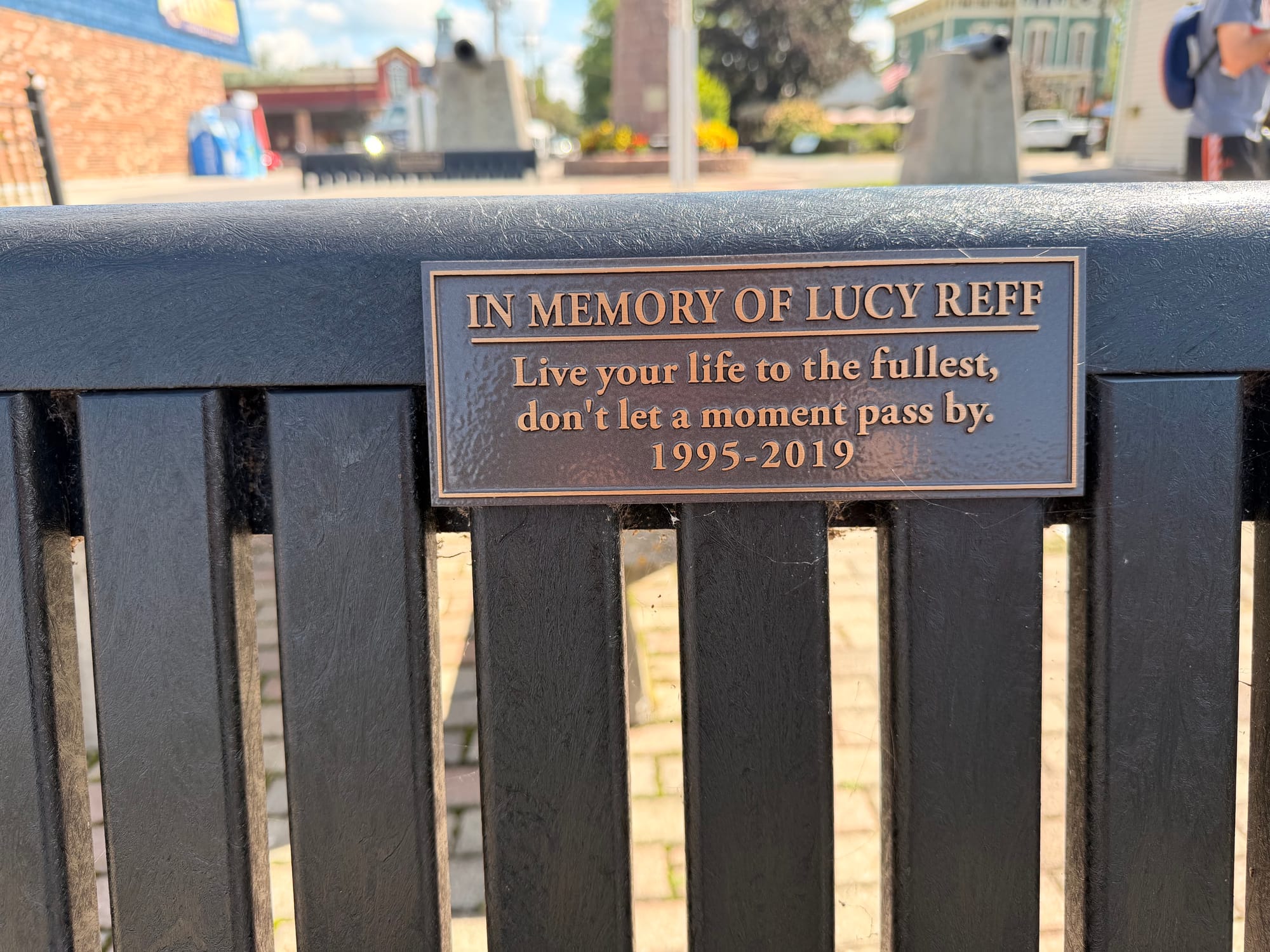
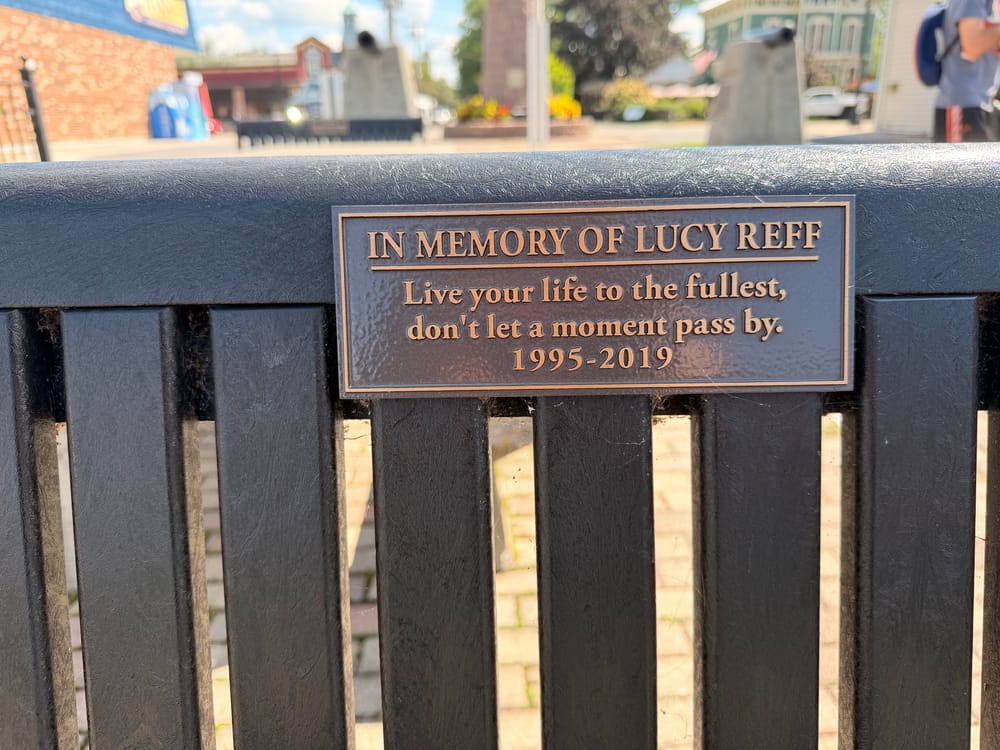
At the water’s edge on John Street in Clayton, New York, there is also a memorial bench bearing Lucy’s name.
A place to sit.
A place to remember.
A place to think about how one young woman’s life continues to touch people she never knew.
The cold, hard facts
Lucy’s story is extraordinary, but it is not unique.
In the United States, 17 people die every day while waiting for an organ transplant. More than 100,000 people are on the national transplant waiting list at any given time, with another person added every seven minutes.
About 60% of Americans are registered organ donors.
Jefferson County, New York, has historically had the highest organ-donor registration rate in the state, at roughly 87%, far above the statewide average, which has only recently passed 50%.
New York patients represent roughly 10% of the national transplant waiting list. Nearly 8,000 New Yorkers are currently waiting for a lifesaving organ. About 800 have been waiting for more than five years, and approximately 300 die each year because the organ they need is not available in time.
In Canada, nearly one person dies every day waiting for an organ transplant. More than 4,300 Canadians are on waiting lists for a lifesaving organ, and more than 70% of them are waiting for a kidney.
With 1,500 people on Ontario's waiting list, someone dies every three days while waiting for an organ transplant. About 40% are women and 60% are men. More than 90% of people say they support organ donation, yet many mistakenly believe they are automatically registered.
In Leeds and the Thousand Islands, approximately 50% of eligible residents are registered organ donors, compared with about 32% of Canadians overall.
Many European countries use an “opt-out” or presumed-consent system, in which adults are automatically considered organ donors unless they officially register an objection.
But regardless of the system, the most important thing is knowing your own wishes—and making sure your family knows them too.
The impact
In a word: Massive.
One organ donor can save up to eight lives and improve the lives of as many as 75 additional people through eye and tissue donation.
Think about that for a moment.
One donor.
Up to eight lives saved.
Up to 75 more people helped.
What can be donated?
There are two broad categories of organ donation: deceased donation and living donation.
Deceased organ and tissue donations.
In Canada, there is no absolute upper age limit for deceased organ and tissue donation. What matters is the condition of the organs and tissues at the time of death. Canada's oldest recorded deceased organ donor was 92 years old, while the oldest tissue donor was 104. In Ontario, you can independently register your donation decision beginning at age 16.
According to OrganDonor.gov, only about three out of every 1,000 people—0.3%—die under the precise clinical conditions required for a deceased organ donation to occur. Tissue and eye donation, however, are possible in more circumstances.
Donations can include kidneys, liver, heart, lungs, pancreas, and small intestine, as well as corneas, skin, bone, veins, and heart valves.
And no, donating your eyes does not mean someone is receiving your entire eyeball. Only the corneas are recovered for transplant. You can also be an eye donor if you wear glasses, have poor eyesight or live with chronic conditions such as diabetes. A single eye donor can restore sight to two people. Perhaps most reassuring for families: eye and tissue recovery is performed with great surgical precision and does not prevent or delay an open-casket funeral.
Living donations
Healthy people can donate one kidney or, in some circumstances, a portion of their liver. Living donors can often choose the person who receives their donation. Potential donors undergo extensive medical testing, blood-type and crossmatch testing, and psychological evaluation to ensure that the donation is voluntary and that the donor's health is protected.
For donors, the medical costs associated with evaluation, surgery and follow-up are generally covered through the recipient's insurance or transplant program. Living donation is not something anyone should enter into casually. It is major surgery, and donors must meet strict medical and legal requirements. It is one person giving another person something that money simply cannot buy:
Time.
And then there is Lucy
Lucy didn't set out to save four lives. She wasn't an organ donor on a registry. But because of her—and because her family chose to give—four other people got more future than they otherwise might have had.
And Lucy's mother still gets to see that heart beating on a video screen.
So, how many of us will ever be able to say we saved four lives?
Lucy can.
You don't have to be extraordinary to give someone the gift of life.
You just have to say yes, and make sure your family knows it.
Because someday, somewhere, someone may be waiting for the very thing you no longer need.
It’s called the gift of life for a reason.
By Michael Laprade
Michael Laprade and his wife Janice are retired Californians, who spend the summer at their “Honey Bee Island” property. It is located in the International Rift, between Blacksnake Passage at the mouth of Lake of the Isles and the stone span of the US / Canadian Customs Bridge. Michael is a former prison administrator, and is a Professional Magician. In October 2013, Michael and Janice wrote Honey Bee Island’s Little Free Library for TI Life. Now Michael has joined our regular team of authors. I encourage you to see his past articles here and here. His articles are certainly interesting.