A How To . . .Search for Irish Canadian Ancestors. . .
by: Jannet L. Walsh
Search for Irish Canadian ancestors, Irish genealogy tips
The story of your family’s heritage might just be the most important story you tell. It’s the story of origin, old and new worlds. It’s an oral family history, passed on by word of mouth. If you are lucky, it’s written.
Unfortunately, the most difficult part of telling your family’s forgotten heritage is finding written or oral history, which involves splicing together artifacts, such as civil, church, and family documents.
If you’re lucky, your story will resemble a finely sewn county fair patchwork quilt, suitable for a blue ribbon. It’s more likely your family story resembles a crazy quilt; it all fits together, but just barely. The intrigue of genealogy hunting, or family history detective work, lies in uncovering unexpected details along the way. Stitching together your family history, which we say requires the curiosity of a cat, tenacity of a bulldog, and the patience of a saint. My Irish ancestors weren’t scholars or landed gentry who departed Ireland in the 1800s, They travelled as Irish Catholics, likely landless farmers, from Ireland to Canada by ship, then south to the United States, only to become farmers once again.
Telling stories, listening to stories, and sharing stories
Since time immemorial, people have desired to tell and listen to stories, especially stories of origin, struggle, and triumph. Storytellers naturally draw a crowd like a magnet. As a young red-haired girl in the 1970s and 1980s, in my grandparents’ home in Minnesota, I witnessed Grandpa as a storyteller. One of my relatives was known to bring a bag of laundry to the storytelling gatherings, and the ladies would launder his clothing by the end of the storytelling session. My father, Martin J. Walsh Jr. (1924-2008), known as Marty, was our family storyteller; in Irish, it’s Seanchaí (sounds like shawnakee). Obituaries and documents filled Dad’s 1940s suitcase.
Irish Family History Detective Work is in full swing
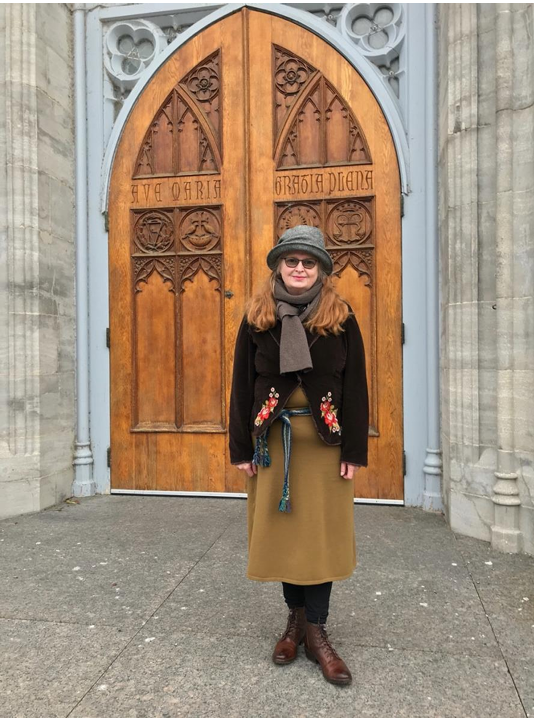
I’ve been referred to as the Irish Family History Detective and even an Irish ‘Bard’ by the late Captain Brian Johnson of Kingston, with deep family roots on Wolfe Island. I’ve taken up the family story, along with my brother Paul M. Walsh, where our late father Martin J. Walsh Jr. (1924-2008) left off.
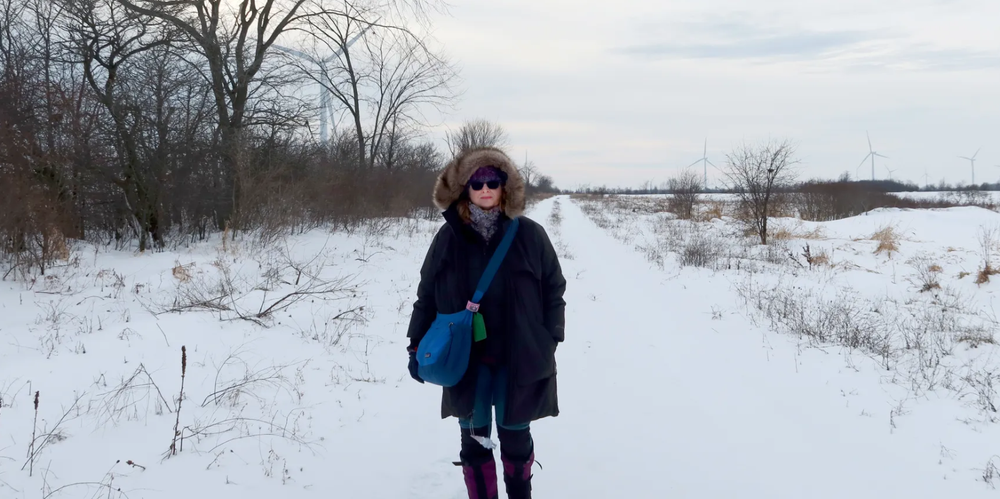
It was December 2022, I arrived in Kingston, and spent Christmas on Wolfe Island during the historic blizzard, completing the first known return trip by my family to Kingston or Wolfe Island, since departing for Swift County, Minnesota in 1877. My Walsh family came from County Kilkenny, Ireland arrived in Canada as early as 1842 to Kingston and Wolfe Island, Ontario. My Great-Great Grandparents farmed and raised a family on Wolfe Island, staying 35 years, until departing in 1877, migrating south to Minnesota, joining an Irish Catholic colony started by the late Archbishop John Ireland.
What’s in a last name?
My first recommendation is to know what's in a last name. Know the variant spellings of Irish surnames. I’m one hundred percent American – with mixtures of German, Prussian, Luxembourgian, Scottish and Canadian. I have red hair, carry the Irish last family name of Walsh. In the search for family history, be on the lookout for variants of the family surname. Early in my family search with Kingston and Wolfe Island, I overlooked the variant spellings for Walsh. Some of the spellings and associated names include Welsh, Welsch, Welch, Branagh, Walshe, Waslh, and more.
How to start a genealogy search?
I’ve included tips to help you get your research underway or encourage you to get started again. Much of my research can be found on my website, so I encourage you to use my references to search for Irish and Canadian ancestors.
Learn more about Irish Immigration to Canada, 19th Century, at The Canadian Encyclopedia online, for an overview of the Irish migration to Canada, and the reasons your family resettled in North America.
Google Search – Simply do a Google search, or use another search engine, to locate Canadian genealogy documents. Try to be specific, with names, dates, location and other details. Here is the search for the Wolfe Island documents I found using key terms of Wolfe Island, Ontario, Canada, and Baptism Records.
Start at home with your family now! Perhaps one or more family members have picked up the torch to gather family records, family trees, documents and stories. In most cases, this person will appreciate you reaching out to them to share or to meet in person. If possible. Look for photos, letters, birth, marriage, death, military, church or religious documents and more to tell your story.
Interview family elders and storytellers – Act quickly to record the stories of your elderly family members, in person or online. Prepare a list of questions related to childhood, their home growing up, parents and grandparents, immigration and citizenship, holidays, special events and more. If possible, take photos on the day of the interview, along with an audio recording or video. Shortly after the interview, transcribe or write out the answers — it is too easy to lose audio or video files, and then your history is gone forever.
Be proactive and take notes during interviews with family members; it will speed up transcribing. Try to collect any historical photos or make copies, and ask about family documents and religious artifacts, including the family Bible, which is often used as a historical family record book of births, marriages, deaths, and so on.
Libraries, museums, genealogy societies, Facebook groups, and more – Next, continue to search locally, or places your family lived or established their roots in the United States, Canada or other locations. Start at the local level, at a county museum, library, or courthouse.
Wolfe Island Historical Society: view the website and learn more about this society devoted to the preservation and promotion of Wolfe Island history.
Kingston Branch of the Ontario Genealogical Society, OGS, view website, with special interests in the counties of Frontenac and Lennox & Addington.
Online genealogy websites – Ancestry has both paid and free subscriptions. This is a great way to connect with other family members with established family trees. I also have a free subscription to FamilySearch, which allows me to find marriage records dating back to 1857 for my great-great-grandparents, originally from Ireland, living in Kingston, Ontario, Canada.
Irish church documents – IrishGenealogy.ie, free, is the site I found most of my Irish ancestors’ baptism and marriage records. Search church documents (Roman Catholic, Church of Ireland, Presbyterian), along with civil records, and more, run by the Irish Department of Tourism, Culture and Arts.
Irish, Griffith’s Valuation – Griffith’s Valuation, the first full-scale valuation for property in Ireland, overseen by Richard Griffith, published 1847-1864. It is one of the most important surviving 19th-century gynecological sources for Ireland. I used this to search for specific locations in Ireland, called townlands, where my family lived and worked in County Kerry. Here’s a list of townlands and counties in Ireland.
Irish Census – The National Archives of Ireland has census records for 1901 and 1911, and fragments from 1821-51. I used the census to research locations my family was associated with in Ireland.
Cemeteries – Visit cemeteries your family is associated with, seeking out help in advance of a visit from churches or caretakers. Find out whether there is a burial card for your family, as it may contain details to uncover. Make notes, take photos, and even make a sketch on how to find the graves of your ancestors. Military graves, search Nationwide Gravesite Locator for in the United States, and the Canadian Virtual War Memorial for Canadian military. Use Find A Grave to search for family graves in the United States and Canada. Enlist the help of local residents where you think the family is buried.
County libraries in Ireland – A county library in Ireland helped me with my genealogy search, at no cost. Look for the county most associated with your family in Ireland, and ask for help. Visit the Libraries Ireland website and search for the county most associated with your family’s ancestors.
National Library, Dublin – The National Library in Dublin offers free genealogy advisory services, online and in person. I visited the National Library several times during my search.
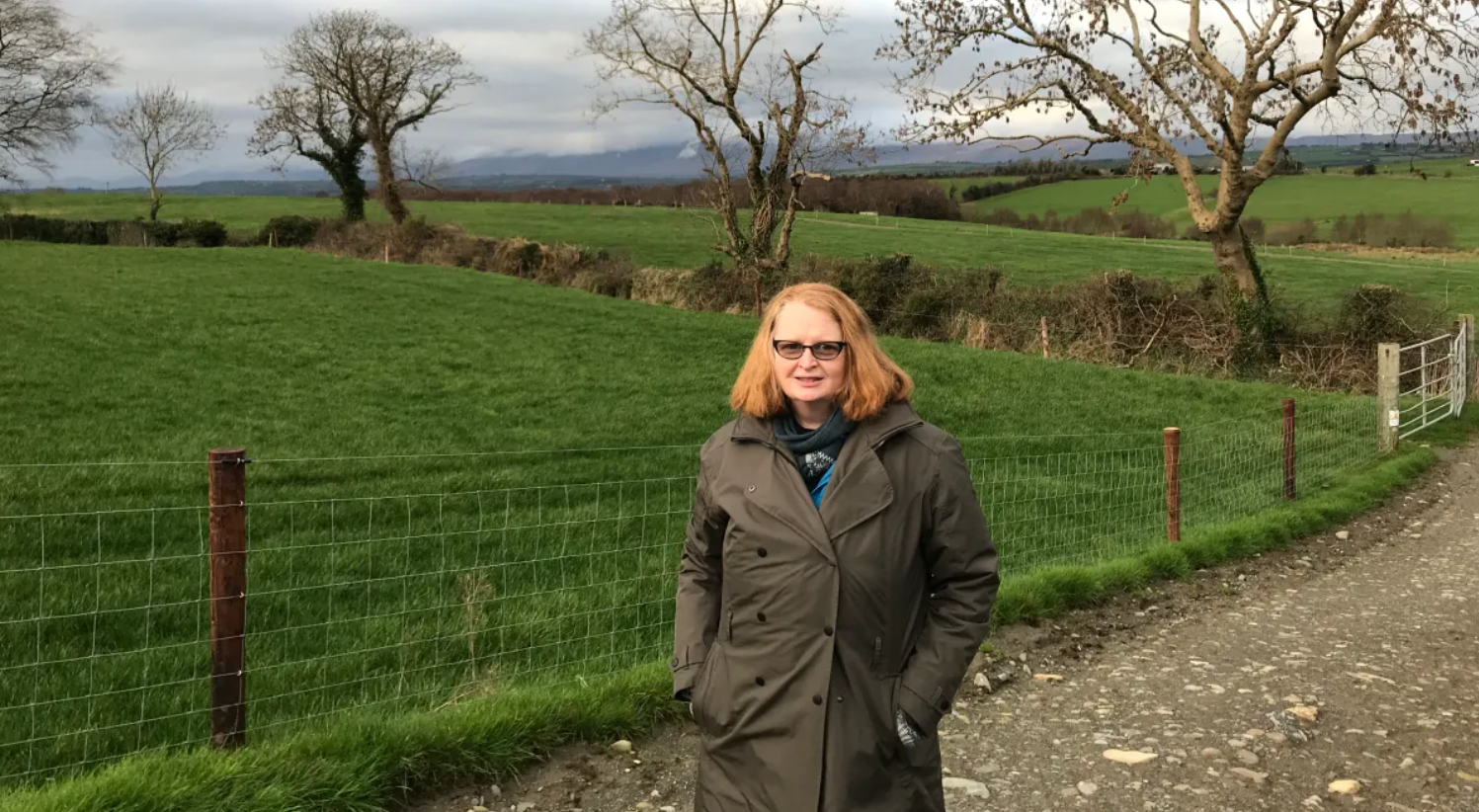
The Cobh Heritage Centre, located in Cobh, County Cork, formerly called Queenstown. Over three million Irish people immigrated from Cobh Harbour, seeking new lives or escaping the Great Famine. I visited Cobh in 2019, and hired genealogist Christy Keating to help me tell the story of my ancestors’ exile from Ireland, an extremely rewarding and professional service.
Go forth, search and tell your family history!
No matter whether you plan to do the research yourself or hire a genealogist, keep a notebook to record your research and findings, and print digital documents to keep organized and safe in case your computer crashes.
Date your work and document your sources. It’s much easier to do so at the onset rather than have to go back and figure it out later. Do as much research as possible before leaving home, especially related to international travel. The more you know beforehand, the easier it will be to find potentially more details about your ancestors and create more stories to share for generations to come. I encourage you to be your family’s storyteller, Seanchaí!
By Jannet L. Walsh
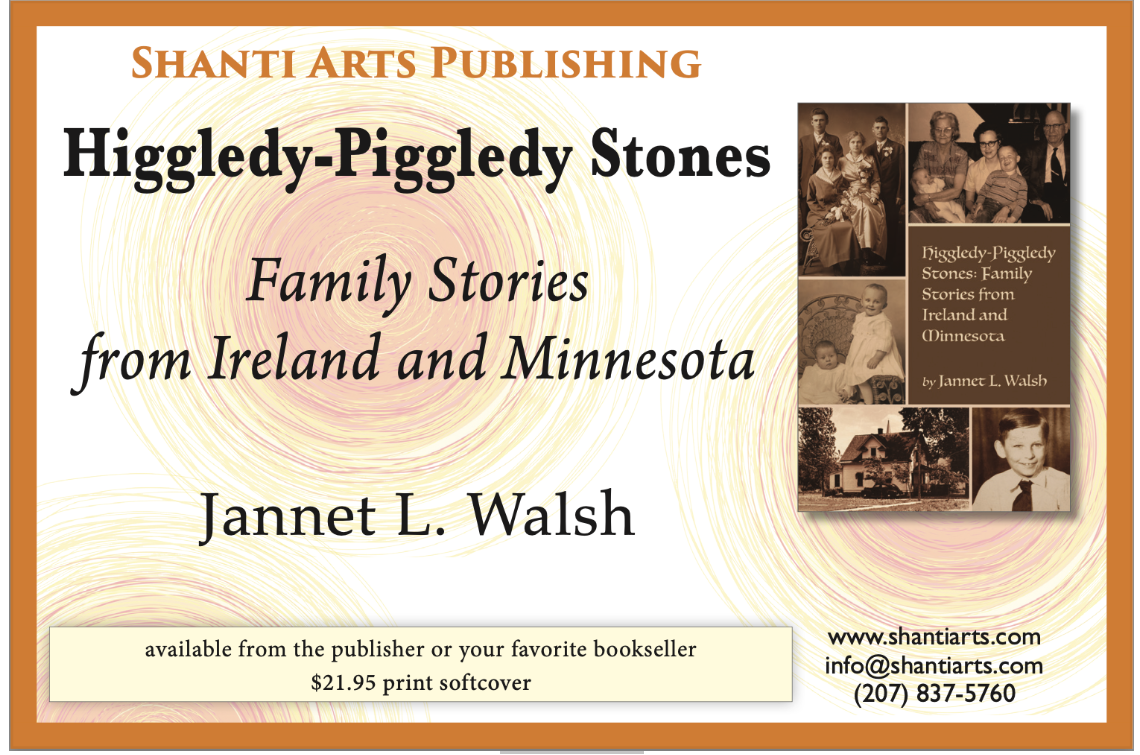
Jannet L. Walsh of Murdock, Minnesota, is a photographer, writer, and Irish Family History Detective. She is the author of a creative nonfiction quest narrative Higgledy-Piggledy Stones: Family Stories from Ireland and Minnesota about her Minnesota and Irish heritage. Publication October 24, 2023 by Shanti Arts Publishing. Be sure to read the late Brian Johnson's story about Jannet that he wrote for TI Life in 2023: Irish Bard’ Finds Family Roots on Wolfe Island. Also see Jannet's TI Life article from September 2024: "The Islander Johnny O’Shea, Bard of Wolfe Island (1932 - 2023)"