Where Everything Holds
by: Mark E. Russell
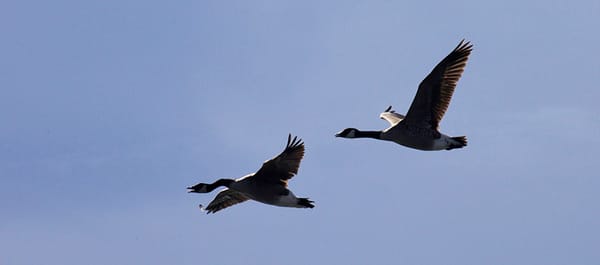
As I look out, I see a raven feeding.
It lives at the intersection of intelligence, mystery, and transformation, not dissolution for its own sake, but something quieter, more necessary. A shift. A crossing. The kind of moment where something ends, or something even deeper begins. It operates above noise.
And it pulls me back, to the River, to memory, to craft.
I live outside Detroit. Motor City. I once watched Jim Farley, the CEO of Ford, run his hand down the lines of a Ford F-150. You could see the pride, not in the construct alone, but in what it required to exist. Hundreds, maybe thousands, of architects, designers, engineers, technologists, assembly workers. A coordinated system of 30,000 components, resolved into a single thing.
What he saw was not the truck.
He saw alignment.
Every tolerance met.
Every dependency resolved.
Every handoff honored.
A system that held.
The truck was finished long before that moment, decisions made years before, trade-offs embedded, standards enforced. What was before him was not machinery. It was history, compressed into form.
And beneath that, something else:
Proof that complexity can be governed.
That thousands can move as one.
That, for a moment, everything worked.
I wax and wane about the truck. But my true marvel has always been elsewhere.
In wood.
In the hands that shape it.
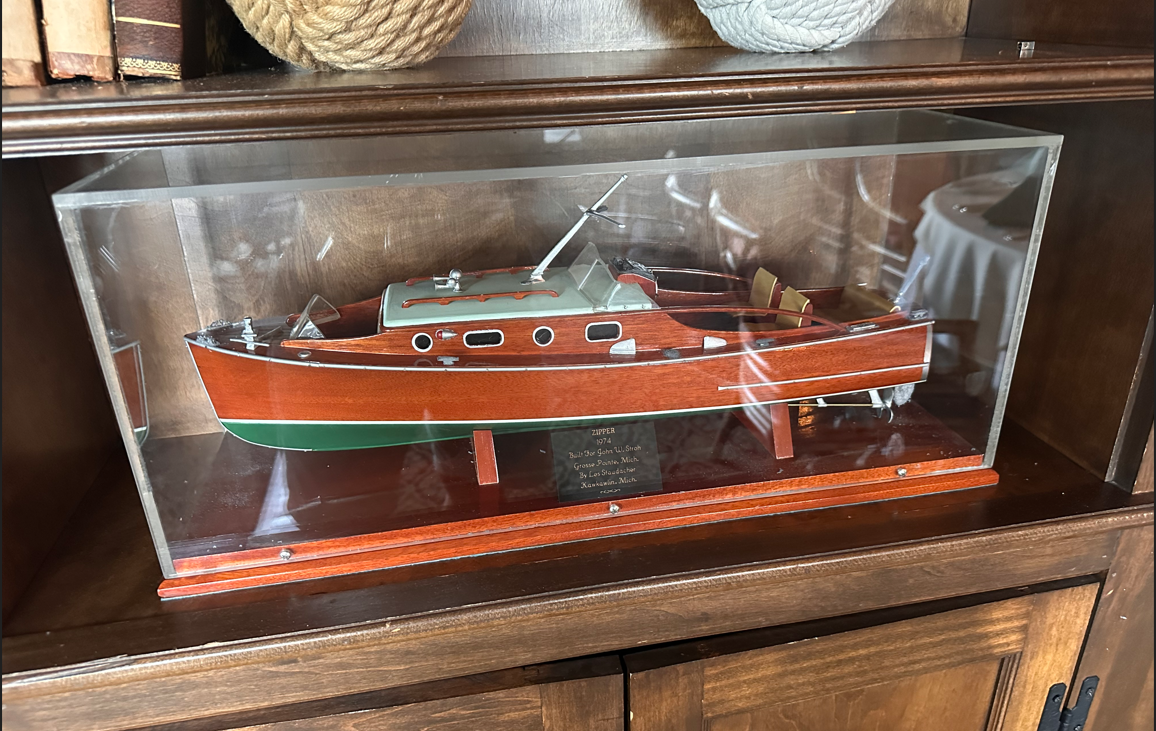
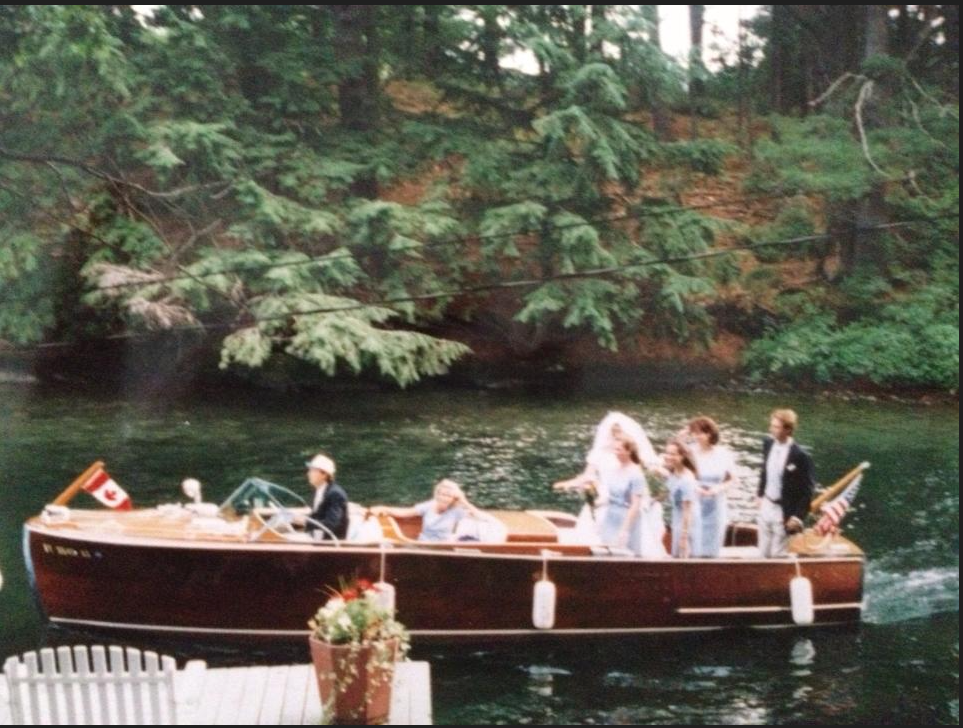
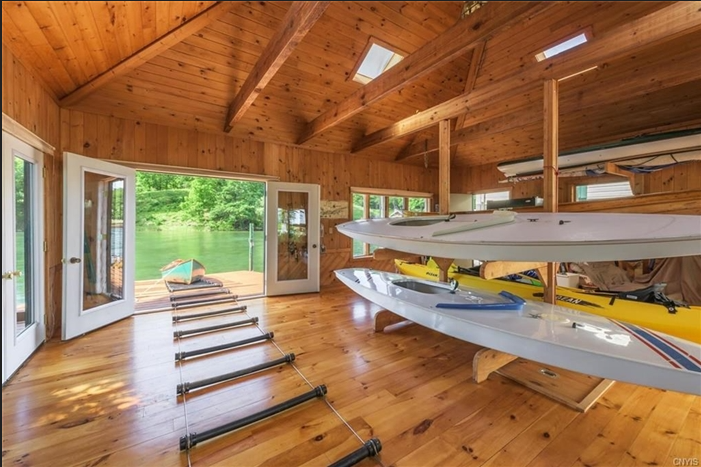
L: A model of the original Zipper, built in 1974 for John W. Stroh, once sat at the The Grosse Pointe Club, just a mile from my home. The second Zipper was kept there as well, until the family later donated it to the Clayton's Antique Boat Museum; M: Amy and I were married on Idle Isle. She arrived by water, crossing in her father Mike’s Chris-Craft, VooDoo. A beautiful beginning, and despite the boat’s name, one that has held steady for thirty years; R: Handcrafted sailboats and canoes resting in their boathouse are a defining tradition of the River. [Photos L & M, courtesy of Mark Russell and Photo R: courtesy of Rick Casali.]
Step into a wood boat shop and you encounter something older. Quieter. Less visible. No less exact. There is no system in the industrial sense.
Only a floor marked with chalk.
A batten bent into a curve.
Eyes that know when a line is right before they can explain why.
Did they think about displacement?
They had to.
But not as equation first, as feel translated into form as a matter of function. Water would answer later.
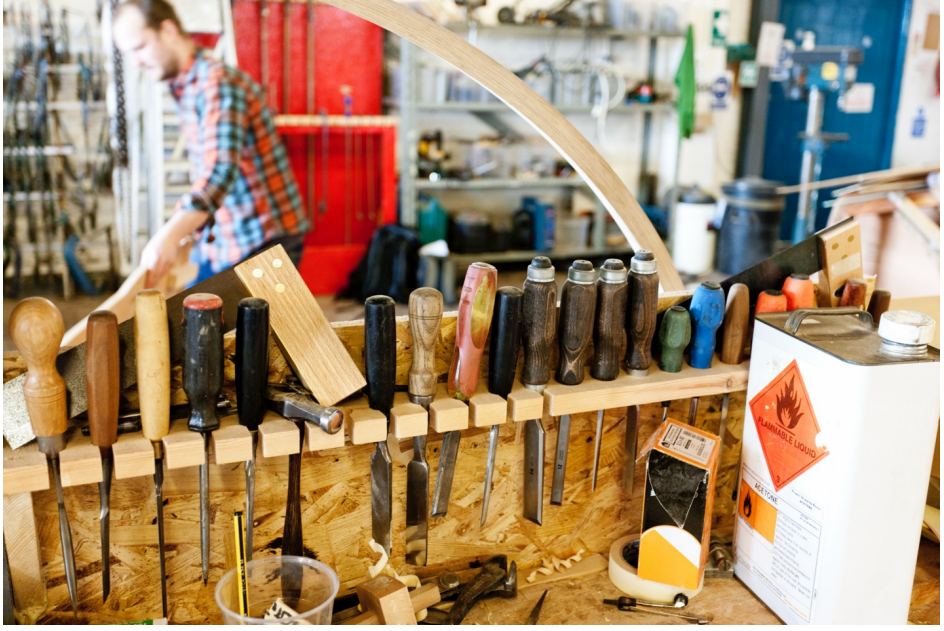
The tools were simple.
Hand planes.
Chisels.
Spokeshaves.
Clamps pulling wood into agreement.
Each pass removed something that could not be replaced. Each cut was a decision. The system was not distributed across thousands, it was concentrated in the judgment of a few.
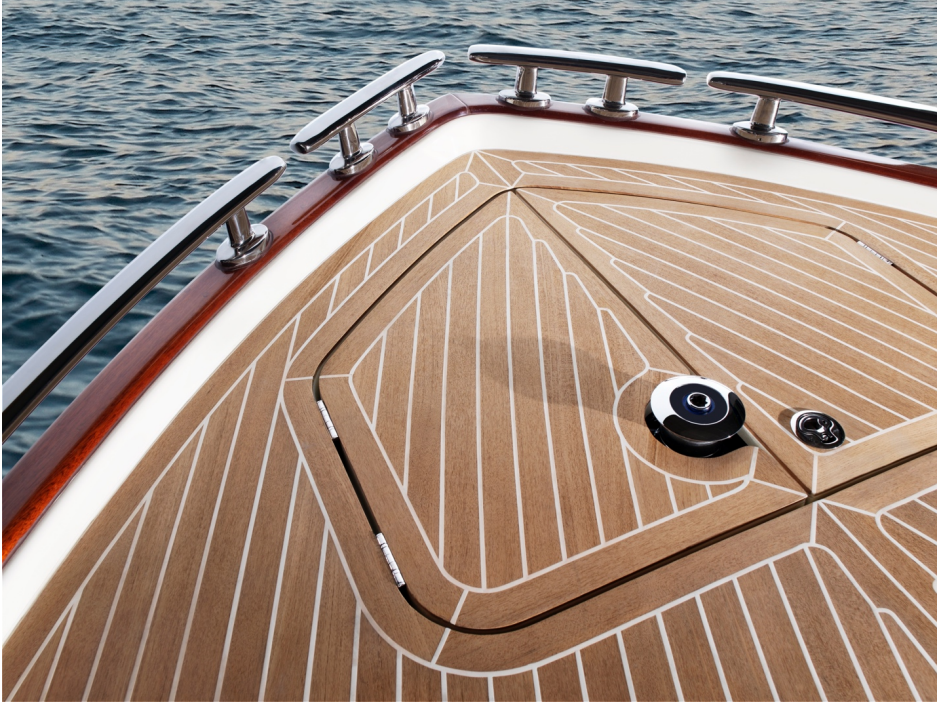
Steam bent ribs into curves that had to hold. Mahogany hulls faired until light ran clean along their lines. Bronze fasteners set and plugged, not just for strength, but for permanence.
Asking only one question: will it hold, or will it not?
I think about the symmetry.
So did they.
Not always with instruments, but with instinct. They stepped back. Sighted down the hull. Adjusted until balance was not just measured but felt.
I don’t pretend to know what it is to be a journeyman of a craft. To give my life to something that will eventually leave you, that will go on into the world without you, carrying all your decisions.
But I think about it.
The truck and the woody are not opposites.
They are mirrors.
One proves that complexity can be governed at scale. The other proves that complexity can be held in the hands, in the eye, in the quiet discipline of craft.
Both are systems.
Both require alignment.
Both require judgment.
Both require restraint.
And both, at their best, arrive at the same place:
Where nothing is forced.
Where everything holds.
Where complexity becomes something you can run your hand along, and understand, without needing to explain it.
I don’t pretend to know what it all means, not fully.
Only that sometimes, in that thing, in the line of a hull, in the curve of a panel, in the moment where it all resolves, it makes sense.
Not because it holds you.
But because, somehow, it sets you free.
By Mark E. Russell, Idle Isle
Mark Russell is a graduate of St. Lawrence University and the Western New England School of Law, and has applied legal precision and narrative clarity to every venture he’s led, from early startups to global agencies and now to CatalystXL, the software-as-a-service company he founded to simplify how organizations communicate and operate. Russell has written for multiple publications — among them Detroit’s TBD Magazine — and contributed to Mastering Communication at Work along with two chapters in the New York Times bestseller, Spend Shift. He lives in Grosse Pointe Farms, Michigan, with his wife, Amy Saunders Russell, their three River Rat children — Emma, Sam, and Trey — and their miniature schnauzer, Stella. The Russells divide their time between their home overlooking Lake St. Clair and their summer island retreat, Idle Isle, on the St. Lawrence River.
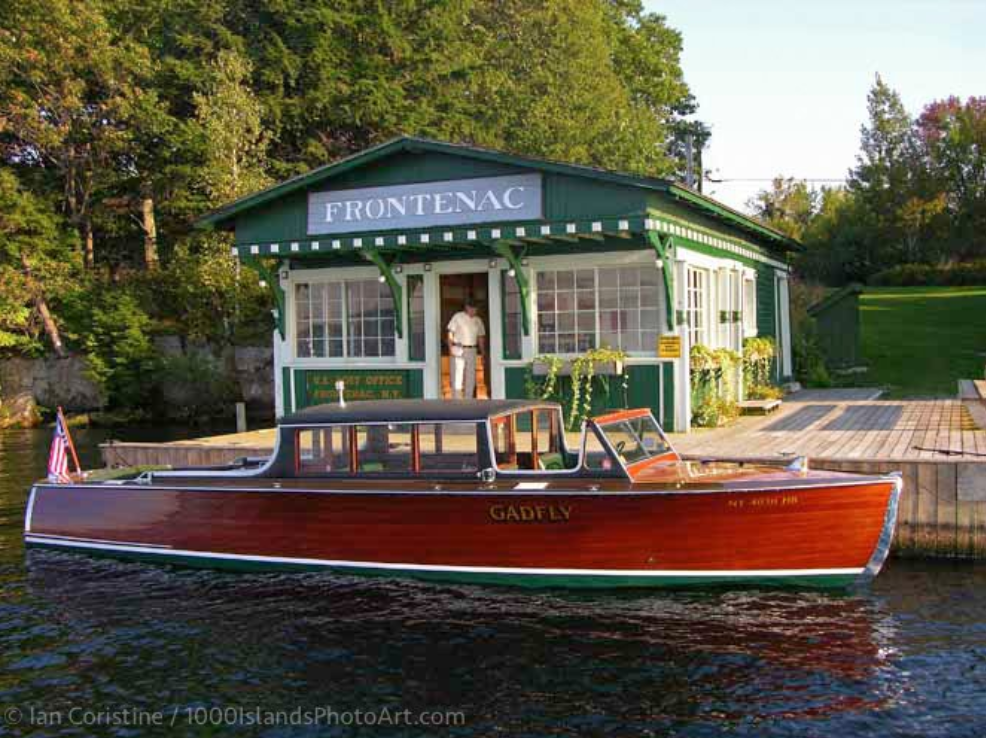
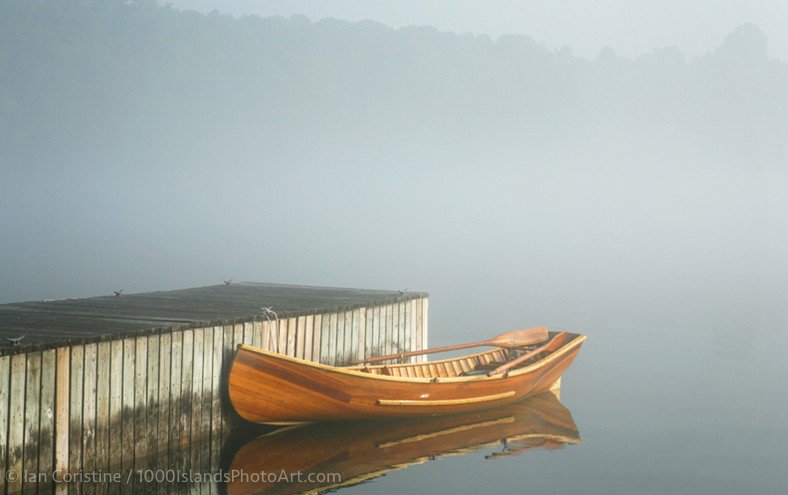
Header photo courtesy of https://1000islandsphotoart.com