Locally Beautiful, Forever Connected
by: Katie Syring & Aleisha Pannozzo
Finding Peace on Protected Land
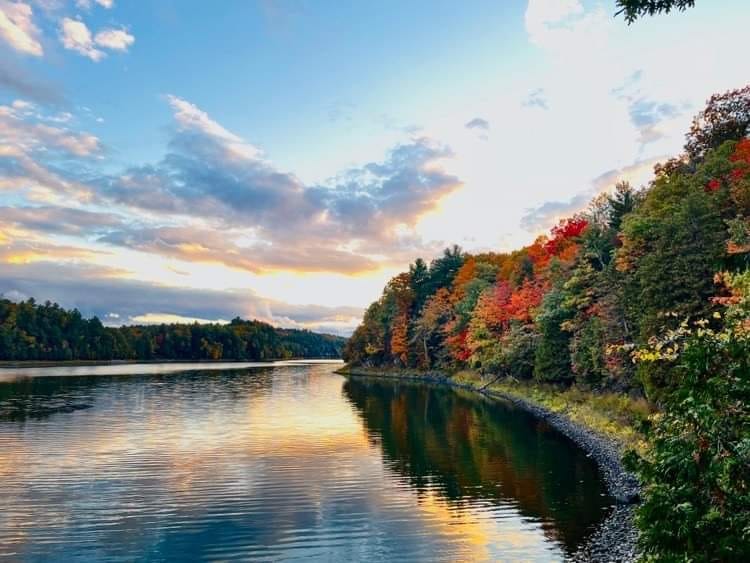
Imagine unruly amber, red, and orange leaves falling at your feet as you breathe in the crisp autumn air while standing on the protected shoreline of Red Lake Preserve in Theresa, NY. A moment of peace washes over you as you observe the beauty around you. This is the experience Rob Sartwell has every time he steps out on a preserve. As a Board Member and a stewardship committee member, Rob has spent a lot of time on the land the Indian River Lakes Conservancy (IRLC) protects, and reflects on how he feels when he’s out in nature. “It’s like my brain hits the reset button. There’s something special about the quiet and the wilderness here that makes me feel human again.”
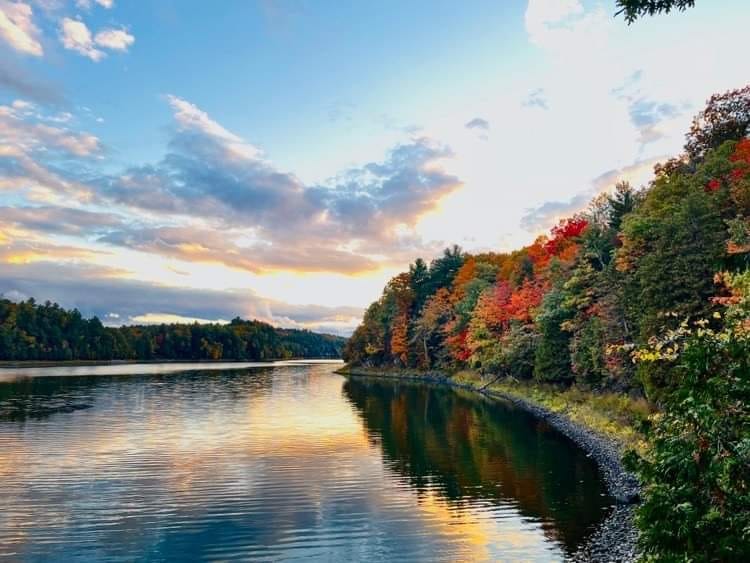
For more than 25 years, IRLC has worked to protect land and water for people, for wildlife, and forever — keeping curiosity and wonder alive for the next generation. This work goes beyond stewardship, expanding into education for our community and our youth, making nature accessible to all.
Exploring, Learning, and Growing Together
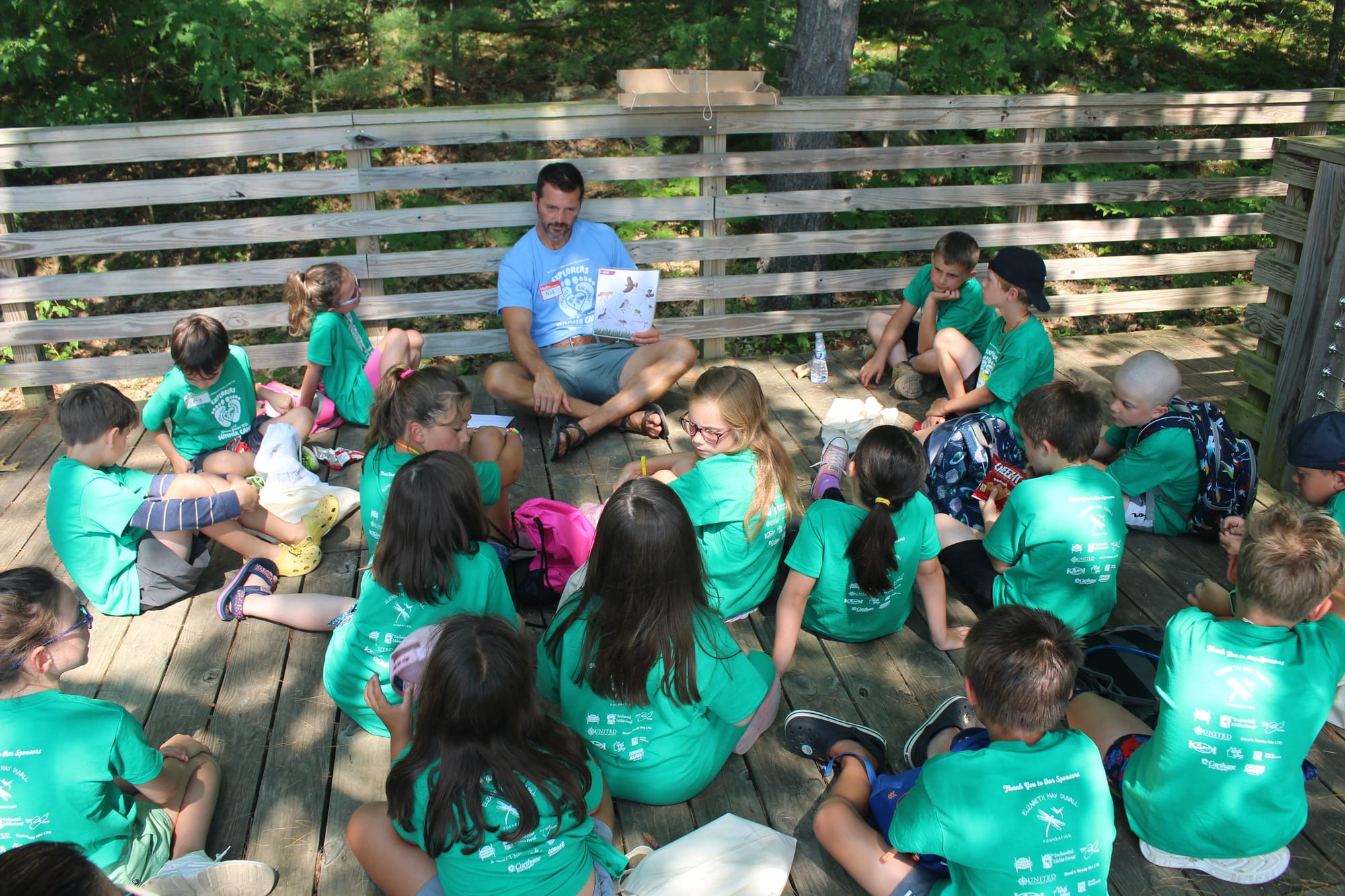
Every summer, nearly 80 children attend the Elizabeth May Duvall Foundation Nature Grows Kids Camp at Redwood Hill Preserve in Redwood, NY. Hosted by IRLC, this three-day nature camp provides young children with an opportunity to explore an accessible and safe outdoor environment, including a sensory trail that was established in partnership with Encompass Recreation. For some children, it is the first time they are able to independently enjoy the outdoors without distraction.
To further the reach beyond younger students, IRLC implemented Project WHIRL (Water and Habitat on the Indian River Lakes) in 2019. This teen environmental education program brings students together to explore the watershed of the Indian River region through the lens of environmental science. Learning in action and on the go, students are engaged in real life examples of local issues with local experts, learning how to manage invasive species, protect endangered wildlife, take water samples, and make educated environmental decisions for the future. These trails and programs don’t simply stop at making memories, they are making an impact.
Story Tellers and Memory Makers
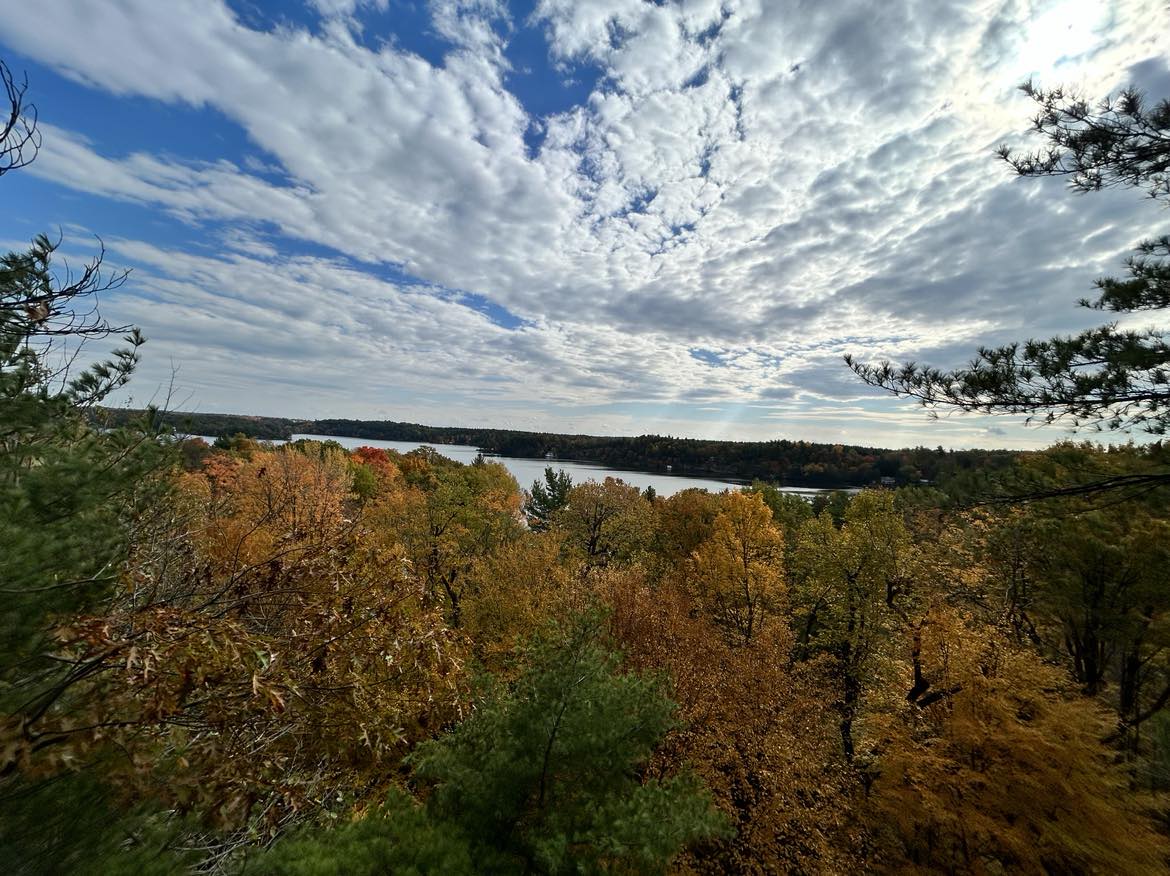
IRLC started with a group of like-minded individuals in 1998 who saw what lakes and lands needed protection, but it has grown to be so much more: a community that is not simply the stewards of the lands and waters but also the storytellers and memory makers of the Indian River Lakes region. Fueled by donor support and grants, this not-for-profit organization works tirelessly to expand its impact by protecting more land and creating more opportunities for people and wildlife. What started out as a 28-acre donation has grown to 2,732 acres of protected land, with 2,000 feet of shoreline and 28 miles of trail systems across five public preserves.
Recently, IRLC received a $43,854 Capacity & Excellence Grant through the New York State Conservation Partnership Program, powering the “For the Love of the Lakes” initiative, bringing together residents and lake associations from all 18 Indian River Lakes to share their needs, strengthen connections, and work on lasting solutions for water quality and conservation. With this support, IRLC can better protect the lakes we all love.
Part of a Larger Landscape
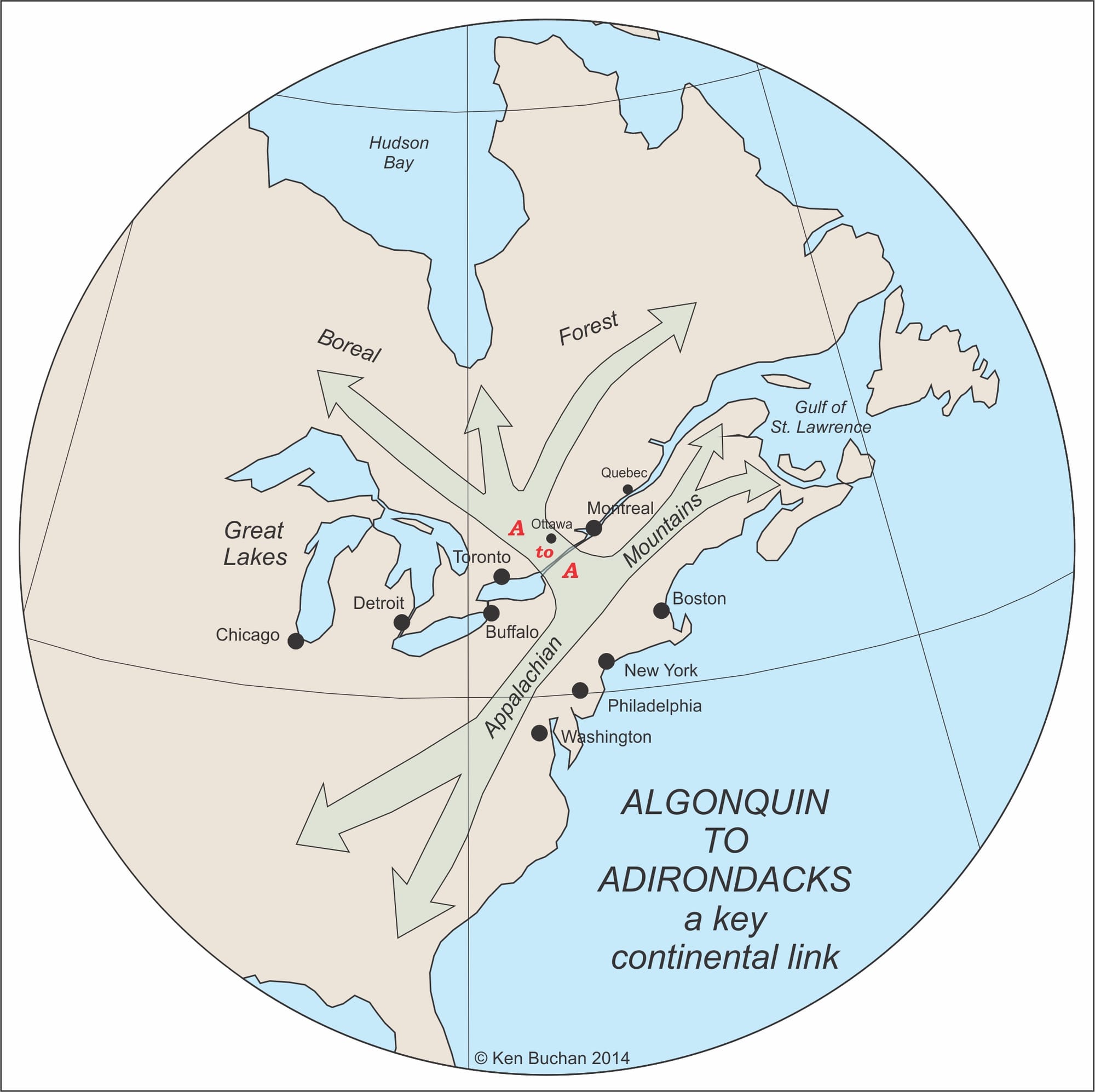
IRLC’s mission goes beyond protecting lands locally and expands to something much larger, the Algonquin to Adirondacks (A2A) region, which contains a critical wildlife corridor linking the Boreal forests in Ontario with the Adirondack mountains in New York, and leading down through the Appalachians. At the heart of this linkage is the Frontenac Arch, a Precambrian granite bridge extending from the Canadian Shield across the St. Lawrence River, a major wildlife link across the landscape.
Early Efforts in Conservation
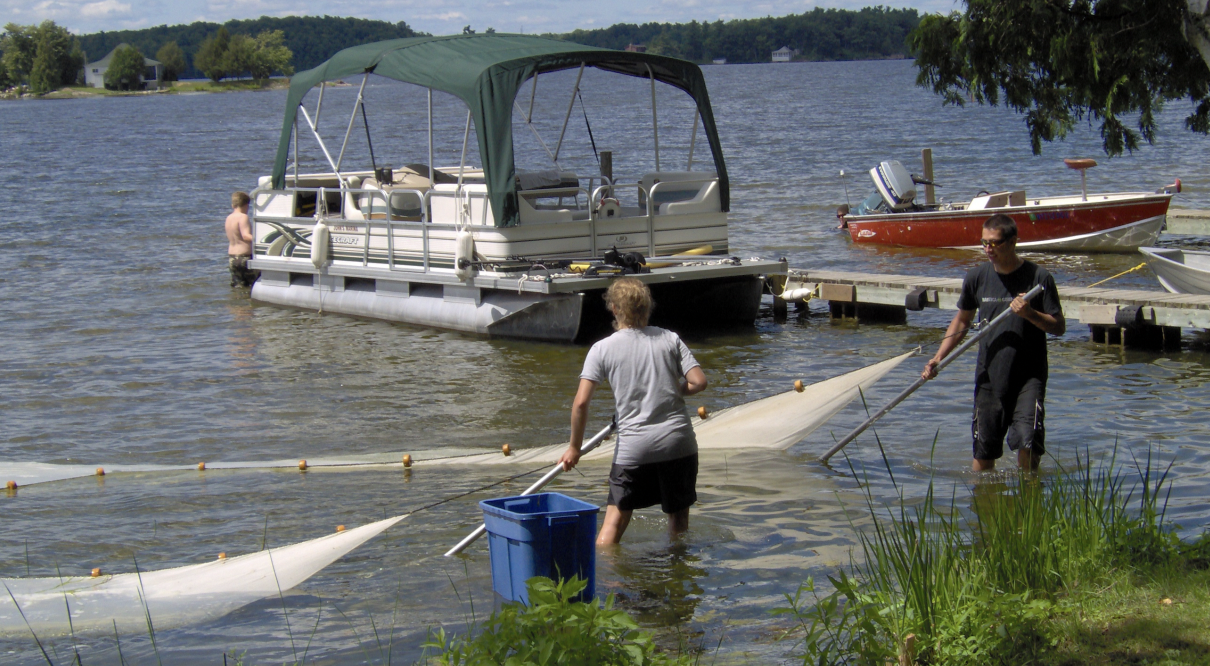
Established in 2000, the Algonquin to Adirondacks Conservation Association (A2ACA) was founded in response to concerns of a continent-wide decline in biodiversity. With its unique biodiversity and high percentage of forest and wetland cover, conservationists recognized this region as the only viable passageway for wildlife moving across the Great Lakes and St. Lawrence River, thanks to the Thousand Islands. Protecting this region would benefit conservation across Eastern North America and strengthen the resilience of the landscape.
The Beginning of the Collaborative
In 2012, A2ACA brought together conservation organizations from both sides of the international border to form the A2A Collaborative — a name that reflected its expanding role as a hub for knowledge-sharing and partner-oriented work. Today, A2A works with partners across the entire region to provide scientific research and tools such as corridor mapping to guide land protection and stewardship priorities.
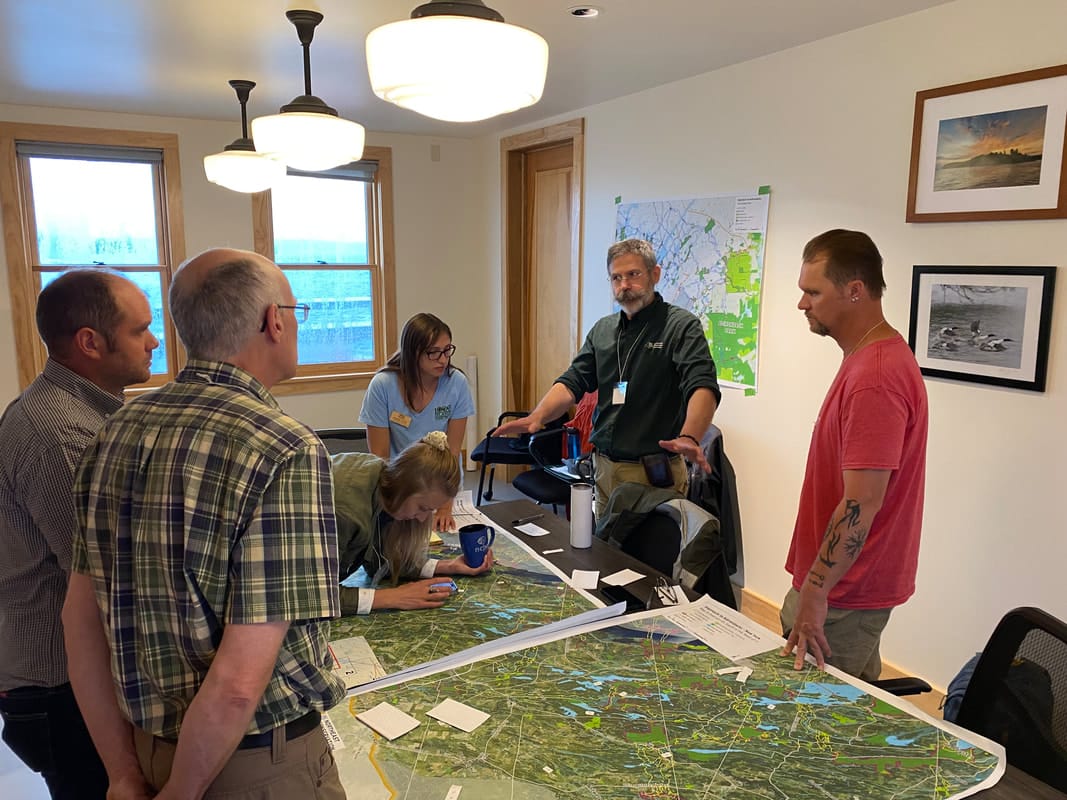
This year, A2A was awarded over $513,000 from Parks Canada to address conservation challenges in the Frontenac Arch Biosphere (FAB) Region. In partnership with Plenty Canada and Frontenac Arch Biosphere Network, the project focuses on building relationships between Indigenous and non-Indigenous partners to advance co-management strategies for conservation in the FAB region. Similar to last year’s workshop south of the border, A2A hosted a workshop with partners to help refine their modeling of wildlife corridors in order to identify priority linkages to set management goals for the corridor.
A Trail that Connects us All
Starting around 2015 A2A began creating the A2A Pilgrimage for Nature Trail, a 650 km multi-use trail that links Algonquin Park to the Adirondack Park. Inspired by Alice the Moose, who in 2000 traveled over 570 km between the two parks, the goal of the trail is to create a symbolic and physical connection between the lands and people across the A2A region.
The trail winds through Redwood, NY, headquarters of the IRLC, which has been a long-time supporter of the trail since its infancy. From helping A2A celebrate the trail’s early reconnaissance hike to hosting the first end-to-end trekkers in 2023 with camping space and fresh water, IRLC has remained a steadfast partner.
Finding Safe Passage for Wildlife
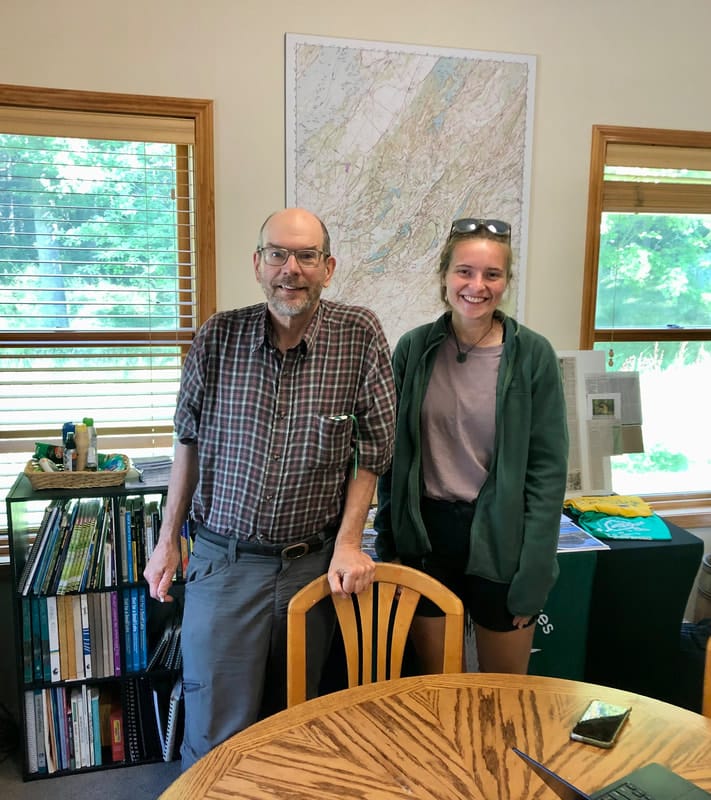
Much of what makes the A2A Collaborative unique in the region is its mandate to ensure safe passage for wildlife across our human-dominated landscape. In 2023, A2A released its Right to Roam report, summarizing over two decades of road ecology research on major roads in the Frontenac Arch. This year, as the Ontario government prepares to expand Highway 401, North America’s busiest highway, to an eventual eight lanes through the Frontenac Arch, A2A, and its partners, are pushing for the Ontario government to follow the recommendations in the report — including three wildlife overpasses — that will enhance landscape connectivity, increase driver safety, and facilitate safe passage for the many species that call this region home. An upcoming public consultation period will open late September, giving concerned residents the opportunity to submit comments on the proposed expansion and voice their support for wildlife-friendly solutions.
Together, through partnership, continued education, and support, we can work to make a lasting impact on the lands, waters, and wildlife of the Indian River Lakes and the entire A2A region — enhancing and protecting what matters most and ensuring that the beauty and wonder of the region remain for all who follow in our footsteps.
To learn more about how you can get involved with IRLC please contact info@indianriverlakes.org. You may also explore IRLC’s work and Preserves at indianriverlakes.org. To connect with the A2A Collaborative, please reach out to Aleisha Pannozzo at communications@a2acollaborative.org and visit A2ACollaborative.org and FrontenacSafePassage.org to learn more about their work and how you can get involved.
By Katie Syring, Indian River Lakes Conservancy (IRLC) and Aleisha Pannozzo, Algonquin to Adirondacks (A2A) Collaborative.
Katie Syring started out as a hike participant at IRLC in 2023 when her family received military orders stationing them at Fort Drum. She has worked with IRLC since then as a volunteer on the education committee and is now a staff member as the Office Manager. Katie graduated with a Bachelor of Arts (B.A.) degree in Human Development and Family Sciences, which launched her into her short teaching career. Moving frequently, Katie has learned to quickly adapt to new environments and quickly become rooted in whatever community she finds herself in. Originally from North Idaho, her tie to nature has always been deep as she watched her hometown become overdeveloped and under protected. Katie values the North County and the surrounding area for their commitment to protect and save as much land and water as possible. Outside of working at IRLC Katie enjoys homeschooling her two children and advocating for the homeschool community.
Aleisha Pannozzo began as an intern at the A2A Collaborative in the summer of 2023, and after a brief hiatus traveling, she returned in 2024 to continue as the Communications Lead. With a bachelor’s degree in environmental science from the University of Guelph, Aleisha brings both scientific insight and a strong communications background to her role, helping to raise awareness of A2A’s mission and connect people to the importance of landscape-scale conservation. Although living outside of the A2A region, in Aurora, ON, Aleisha has a deep appreciation for the landscape and frequently visits Algonquin and other nearby provincial parks in the region for camping trips with her sister. In her free time, she enjoys reading, hiking, crocheting, and cooking vegan meals.