Call for Recipes: Linda Twichell's Welsh Cakes
by: Linda Twichell
Editor's Note: It was two years ago when TILife’s copy editor, Elspeth Naismith, presented "Call for Recipes!" The article showed a tea towel that proudly hangs in her kitchen and provides the ingredients for a "Traditional 1000 Islands Shore Dinner," written by the late Les Cook, a renowned Canadian fishing guide. Elspeth suggested that our River communities have many farmers, restaurants, storekeepers, and, yes, both year-round and summer residents who have favourite recipes with special River meanings. Since then, we have published some fantastic culinary suggestions! This one is from Linda Twichell! Linda has written several articles for TI Life. This is one I can sink my teeth in!
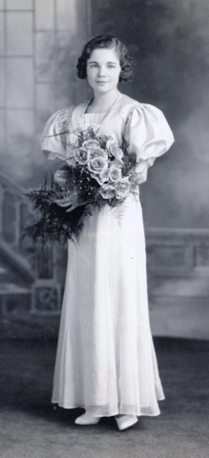

L: "Mom"; M: Nana; R: Special Welsh Doll. [Photos courtesy of the author]
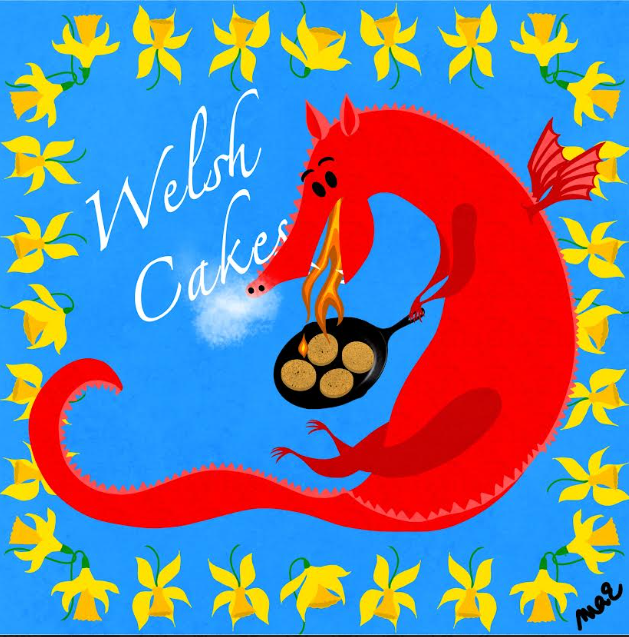
Linda Twichell's Welsh Cakes
My mother, May, and her mother, known to me as Nana, loved to cook. There are some delicious recipes tucked away in our River Recipe Box. The card I came across today made me laugh. My mother had a code for the recipes that were to stay in the River Recipe Box. Mom would draw a tiny cottage in the upper left hand corner of the recipe card. Today I came across a favorite recipe, Welsh Cakes! Hooray!
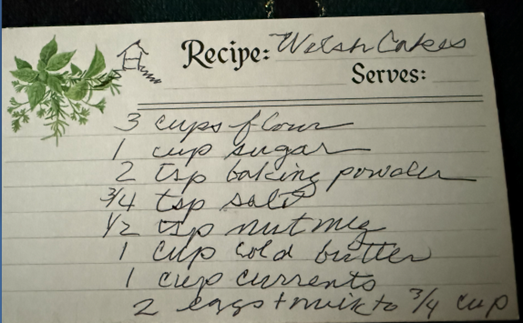
Mom was fearless about changing measurements. At times I would read “three or four cups of flour” in her notes, and I knew right away she had learned that from her mother.
Mom's and Nana’s measurements were in their hands… how it looked, how it felt, how it behaved determined the quantity produced. What’s a cup of flour, more or less??
Welsh Cakes
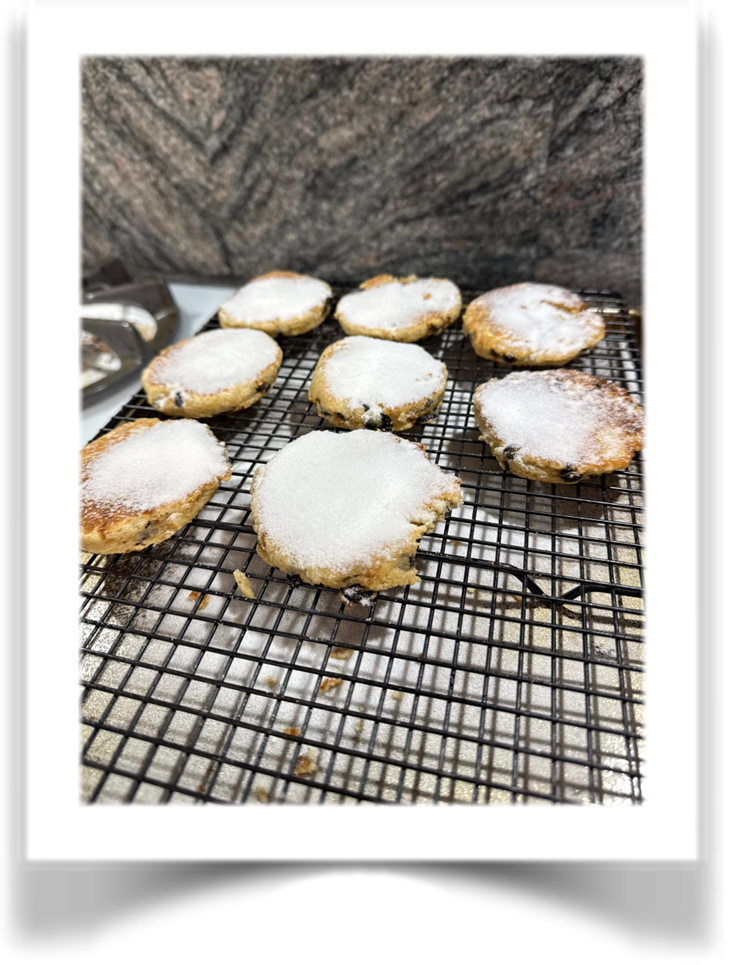
If you know me, you know I can’t resist throwing in a history lesson. This one came from Facebook:
“History of Wales, Welsh Cakes – Pice ar y maen (cakes on the stone)
The Welsh Cake is a small, sweet cake, with a crisp outside and a soft, crumbly inside. It is a fine example of the unique and traditional food of Wales, that has been influenced historically by its predominant industries of agriculture and mining, as they are made from simple pantry items such as flour, sugar, milk, and butter, and are the perfect size to be slipped into the working man's coat pocket. Traditionally they were made on a flat bakestone griddle (a portable flat stone placed on or next to a fire). The bakestone was replaced in the 19th century with a cast iron plate griddle, which in more recent times can also be made of aluminum, or carbon steel.”
These days I use a standardized recipe from the internet and a Kitchen Aid Mixer. This recipe is forgiving, so it is my favorite. Nana would always plump her currants in a hot water bath. Ten or fifteen minutes would create plump, juicy currants. I can actually make these almost any time with ingredients in my pantry, but this year I did not have milk. No fear! I used an extra egg and a splash of water.
And now for the recipe!
Ingredients:
· 3 cups flour
· 1 cup sugar
· 2 tsp baking powder
· 3/4 tsp salt
· 1/2 tsp nutmeg
· 1 cup cold butter
· 1 cup currents
· 2 eggs + milk to 3/4 cup
Instructions:
- Mix ingredients thoroughly until all are moistened and a stiff dough forms.
- Transfer the dough to a well-floured surface. Be sure to flour the work-surface
and the rolling pin liberally, as the dough can be quite sticky at this stage. Divide the dough into two equal discs. Wrap one in waxed paper and place in the refrigerator to keep it from drying out while you roll out the first disc. - On your well-floured work surface, roll the first half into a disc about 1/4 inch
thick. Be sure to turn the dough over on your rolling surface so it won’t stick to the counter. Using a 2 1/2 inch circular cookie cutter (or a drinking glass), cut the dough into circles. Gather scraps into a new disc and cut more until all the dough is used up. Repeat with the second disc of dough. Depending on the size of the cookie cutter you use, you should get around 24 cakes from all of the dough. - I always cook these on an ungreased electric fry pan, a wedding gift from 1972. Each year I worry if this pan will heat up one more time. The recipe calls for 325 degrees, but on my aging appliance, I crank it up to 365 degrees. Time will depend on your appliance. After several minutes, check the bottom for that golden brown color and then flip over. The goal is to have them golden brown on both sides and cooked through.
I do babysit the cakes carefully. No multitasking on Welsh Cake day! Allow to cool on a baking rack. I sprinkle them with sugar, so of course, my family loves these. But, some cooks prefer a spot of jam or an herbal butter. See what suits your fancy.
Best served with a “cuppa tea”! Enjoy!
By Linda Twichell
Linda Lewis Twichell, a longtime resident of Westminster Park, has collected historical information on the Westminster community since the 1970’s. Her research often focused on the lives of the people who settled on this section of Wellesley Island in the last quarter of the 19th century, and the cottages that they built. Be sure to check out Linda’s Westminster Park history in several articles for TI Life articles here and here.
Editor's Note: Our thanks to Linda Twichell for posting this first on her Facebook page. As an islander and author for TI Life, I immediately asked if we could use it for our Call for Recipes. She agreed and added her methods. Let us know if you, too, have a favourite recipe card tucked away in your island pantry.