Recap: 37th Annual Winter Environmental Conference
by: Collin Hill
Whether you were in the front row with a notebook or cheering us on from afar, a good recap never hurts, especially when the science is this "cool" (pun intended).
The 37th Annual Winter Environmental Conference was a powerhouse of insight, history, and community spirit. From the depths of the Great Lakes to the memory of the River’s biggest challenges, we covered a lot of ground (and water). We want to take a moment to highlight the incredible speakers and award winners who made this weekend unforgettable.
Here is the debrief on everything you might have missed, or everything you’ll want to remember.
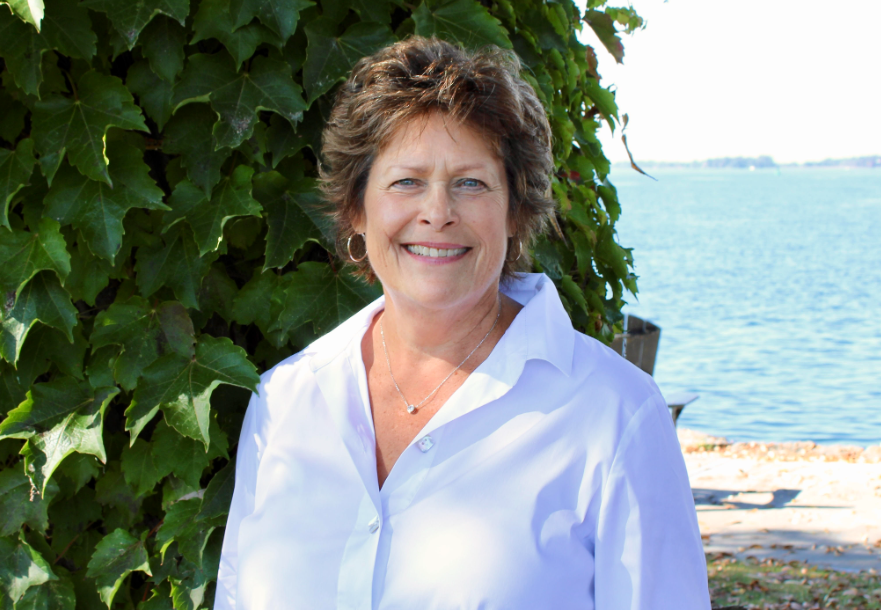
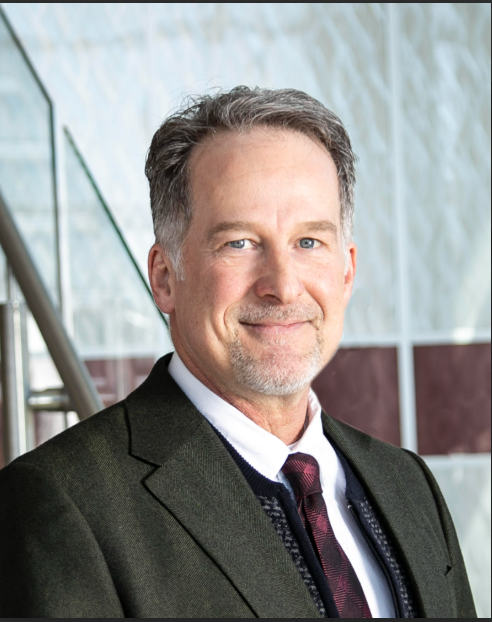
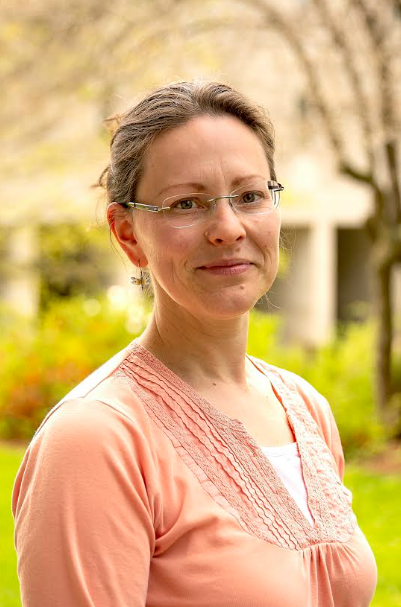
L: Mayor Nancy Hyde; M: Dr. Michael Twiss; R: Dr. Stacy McNulty, Conference speakers.
Opening Remarks - Mayor Nancy Hyde
Mayor Hyde’s opening was more than just a formal welcome; it was a celebration of a year of progress for our village. She highlighted the recent infrastructure and revitalization projects that continue to make Clayton a premier gateway to the St. Lawrence, emphasizing the village's commitment to balancing a thriving tourism economy with environmental stewardship.
By detailing the work Clayton has undertaken over the past twelve months—from shoreline improvements to community initiatives—the Mayor reminded us that the health of our River is linked to the health of our River towns. Her message set the perfect tone for the day: that we are all partners in the preservation of this unique landscape.
Dr. Michael Twiss - Great Lakes Winter Science
For decades, winter has been treated as a “Black Box.” Dr. Twiss explained that while we might visibly see a quiet, frozen landscape, the world beneath the ice and the ice itself is incredibly active.
Contrary to popular belief, primary productivity (including the growth of algae and diatoms) can actually be higher in the winter than in the summer. These winter-blooming diatoms peak in December and January, setting the entire food web in motion for the year ahead. Winter nutrient cycling is the battery of the Great Lakes and the River. If the winter cycle is further disrupted, the consequences will translate into the summer, affecting everything from fish spawning to the severity of algal blooms that can be toxic to human health and wildlife.
One of the most striking points Dr. Twiss made was about our lack of knowledge – how our current understanding of the Great Lakes during winter is like putting together a 1000-piece puzzle with 700 of the pieces missing. Almost all of our historical data comes from the ice-free months of summer due to the fact that it is easier and safer to get data collection boats on the water.
The science shows that winter is the season changing the most, yet it is studied the least. Since 1973, we have seen a steady decline in average ice cover, roughly 0.5% per year.
Dr. Stacy McNulty - Climate and Wildlife: Learning from a Century of Monitoring
As the Associate Director of Research at the Adirondack Ecological Center (AEC), Dr. Stacy McNulty’s talk focused on how a century of monitoring at the Huntington Wildlife Forest allows us to see patterns that a single season or even a decade of data would miss.
Dr. McNulty emphasized that field stations like the AEC are necessary treasure troves of scientific knowledge. By looking at long-term data archives, researchers can distinguish between year-to-year variability and long-term changes due to climate change. Shifting seasonal cues, such as earlier thaws and later freezes, are disrupting the timing of natural events, creating an environment where wildlife may emerge or migrate at a time that could be detrimental to the health of the species.
Using one of the River's most industrious residents as a case study, Dr. McNulty explored lessons from the Beavers. Because Beavers dictate the hydrology of many wetlands, their activity during warmer winters has a ripple effect on water storage and the habitat of many species surrounding them. While the research conducted at the AEC is based in the Adirondacks, this station sits in the transition zone that is highly sensitive to climate shifts; its research serves as an early warning for the broader regional landscape.
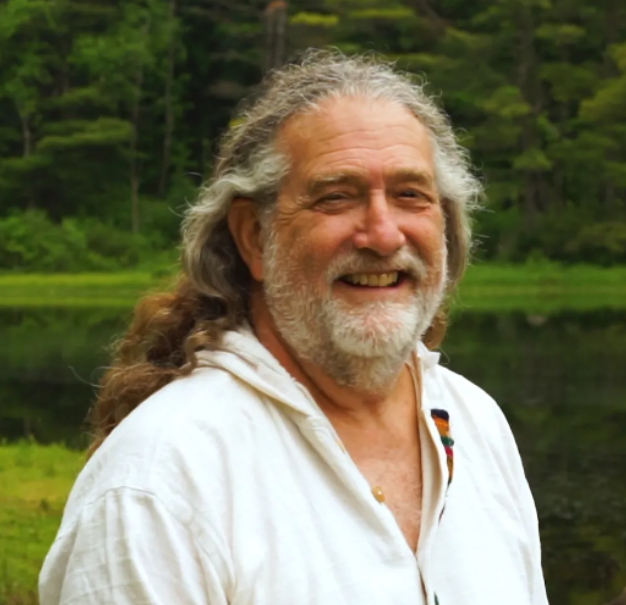
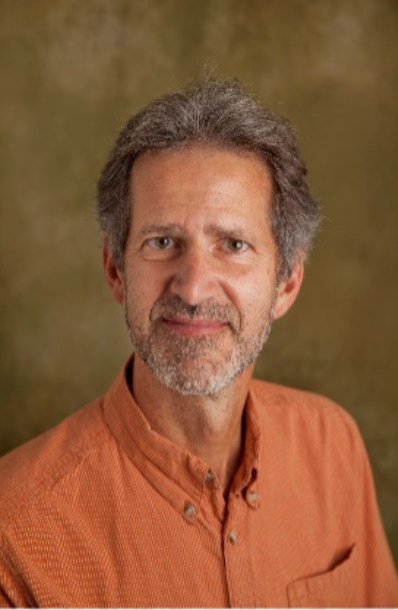
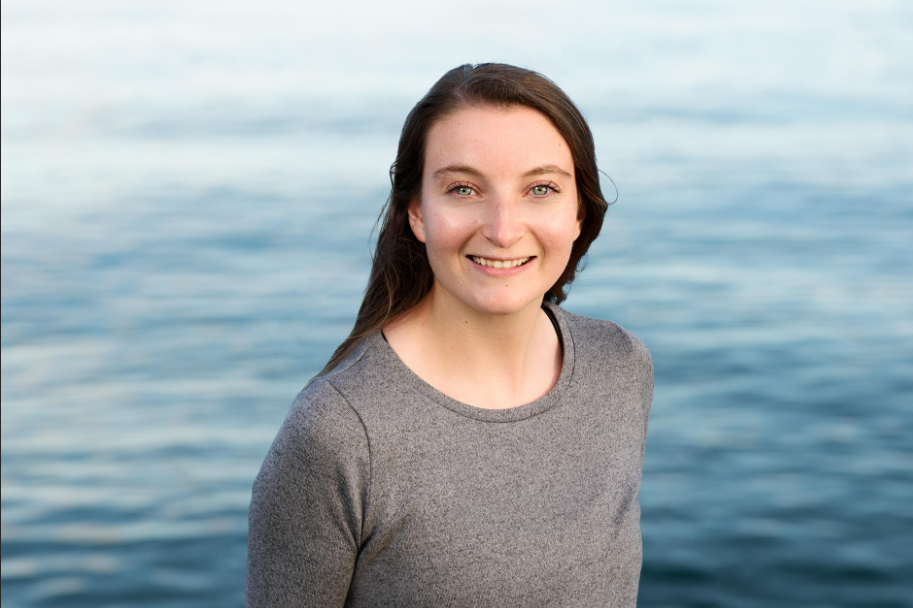
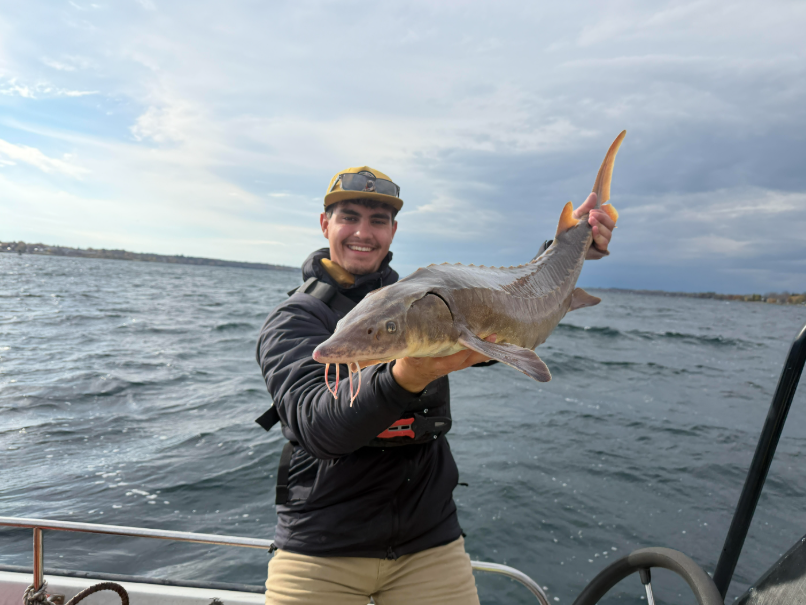
TL:Lee Willbanks; TR:Dr. Thomas Holsen; BL:Emilie De Rochie, and BR: Matthew Norvitlis
Lee Willbanks - Talking Rivers: Listening to Nature Toolkit
Lee Willbanks introduced the conference to the Listening to Nature Toolkit, a new framework designed to help individuals and organizations move away from seeing the River as a commodity toward seeing it as a living relative with inherent rights.
The Toolkit is built on the philosophy of ecocentrism, the idea that humans are not at the center of the universe, but rather one strand in a larger interconnected web of life. Lee explained that for too long, environmental advocacy has been about managing nature for human benefit. Talking Rivers proposes an alternative: Listening to what the River actually needs.
Lee walked us through how we can practically integrate this worldview into our daily lives and organizations by encouraging a shift in language and governance. The toolkit encourages moving toward using personal pronouns when talking about the River, showing that the St. Lawrence is an entity with a voice and not just an asset or resource. For nonprofits and local boards, Lee advocates for giving nature a seat at the table. This might mean designating someone whose sole role in meetings is to ask: How does this decision affect the River’s right to flourish and regenerate free of pollution?
This isn't just a philosophy; it’s a strategy for legal change. By using the toolkit, Talking Rivers aims to build a movement that recognizes the legal rights of nature. Lee reminded us that if we want to protect the St. Lawrence for the next 50 years, we must first learn to hear what she is already telling us.
Dr. Thomas Holsen - PFAS – the "Forever Chemicals": Past, Present, and Future
Dr. Thomas Holseen from Clarkson University provided a critical look into the persistent threat of PFAS in our watershed. Known as "Forever Chemicals" due to their nearly indestructible carbon-fluorine bonds, these substances have accumulated globally from sources including firefighting foams and non-stick products.
As a lead researcher and reference for many programs, Dr. Holsen shared data on how PFAS moves through the food web, including a sobering fact that these substances are already within all of our bodies. However, the session ended on a high note with a look at the future of remediation techniques. Dr. Holsen and his colleagues are developing methods to actually destroy PFAS rather than just removing the toxin from water sources, highlighting pathways like non-thermal plasma technology.
Friend of the River Award Presentation - Recipient: Heather White
Every year, Save The River awards the Friend of the River award to people who have made significant contributions to our mission to restore, preserve, and protect the Upper St. Lawrence River, both now and for generations to come, through advocacy, education, research, and stewardship.
Heather White’s selection as this year’s honoree celebrates decades of hands-on leadership. From her career as a teacher to her tenure on the Save The River Board of Directors, Heather has lived by a simple mission: to make the world a better version of itself.
Key highlights of Heather’s impact include:
• Being the architect behind our most popular classroom curricula, including our programs on Herons, Loons, and Light Pollution. She even designed and helped build the large-scale loon habitat model being used in our latest educational series.
• As a firm believer that we are stronger together, Heather has been instrumental in building a network of collaborators, recently bridging the gap between Save The River, TILT, and the Adirondack Center for Loon Conservation.
• Her devotion to service knows no borders, spanning from our local Common Tern program to the creation of the Malawi Early Literacy Team (MELT) internationally.
• Beyond the science and the stats, Heather is recognized for her deep investment in the people of the River, providing steady leadership and support to the staff and volunteers who keep the mission moving forward.
Heather doesn’t just teach environmentalism; she recruits generations of River stewards. We are deeply honored to name her our 2026 Friend of the River.
Emilie DeRochie - The Kahnekarónnion (River) Strategy
Emilie DeRochie’s presentation focused on the Kahnekarónnion (River) Strategy, an initiative designed to break down the silos that too often hinder environmental work. Because the St. Lawrence River is shared by multiple Nations, Provinces, States, and Indigenous territories, Emilie showed that conservation cannot happen in isolation; it requires friendship and collaboration.
Central to the strategy's message is the Kaswentha approach. This guiding principle, rooted in Haudenosaunee tradition, symbolizes the two vessels traveling down the river of life together, in parallel, without interfering with each other but being bound by peace, friendship, and respect. Emilie emphasized that the River Strategy is less of a scientific framework but a relationship framework. By honoring values, the strategy aims to create a safe and gentle space for diverse communities and organizations to connect and align their efforts.
The session was a reminder that while science tells us what is happening, it is our friendship and collaborations that tell us how we respond. The strategy invites everyone to see themselves as part of the collective effort, moving forward together for a beautiful and healthy Kaniatarowanenneh (Mohawk name for “Big Waterway”).
Matthew Norvilitis - Lake Sturgeon in the Upper St. Lawrence
Matthew Norvilitis from SUNY ESF shared the story of the Lake Sturgeon, a living fossil that has swum in our waters for millions of years, yet nearly vanished in a single century. His presentation bridged the gap between a dark historical legacy and a high-tech future of research.
Matt detailed how these giants, which can live for over 100 years and reach 7 feet in length, went from being abundant to imperiled. In the mid 1800’s, sturgeon were considered a nuisance to commercial gillnetters. They were so plentiful that they were often stacked like cordwood on the banks or even burned as fuel for steamships. Once the value of their caviar and isinglass was realized, the overharvesting began. Combined with the construction of dams that blocked access to spawning grounds, their population was decimated to a small fraction of historical levels.
Matthew's current research uses acoustic telemetry, a high-tech version of pinging underwater to track sturgeon movements in real time. The tag is a small ultrasonic transmitter that is surgically implanted into juvenile sturgeon. The sensor is an array of receivers anchored to the River and Lake Ontario floor that listens to these pings as the fish swim by. By mapping these detections, Matthew and the team are finally beginning to identify where young sturgeon spend their formative years.
The data is showing that the comeback is real. Thanks to decades of stocking and habitat restoration, we are seeing more young sturgeon than we have in generations. Matthew’s work ensures that these ancient fish may one day reclaim their proper place in the River.
Dan Tack Muskie Catch & Release Award - Winner: Nick Edwards
As the apex predator of the St. Lawrence, the Muskellunge is a symbol of our River's wild spirit. This award, named in honor of the late Dan Tack, celebrates the anglers who prioritize the health of the fishery by participating in our Catch and Release program.
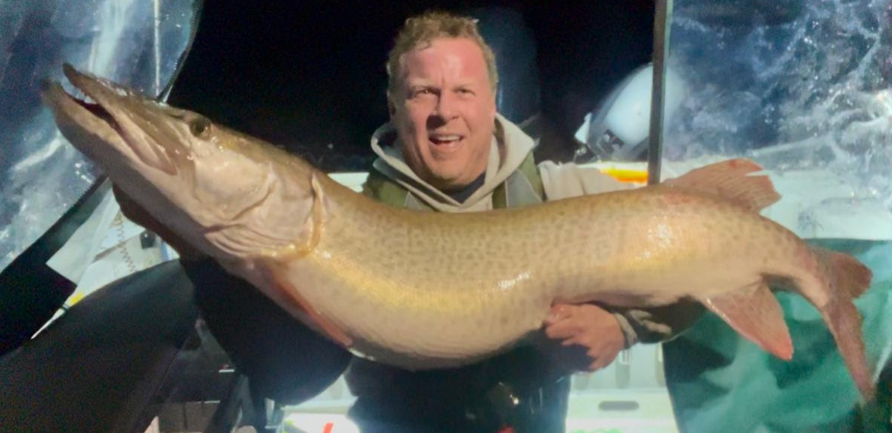
We are thrilled to announce that for the first time in the award’s history, we have a repeat winner: Nick Edwards.
Nick is more than just a skilled angler; he is a dedicated conservationist. Beyond catching and releasing the largest Muskie of the season, Nick works closely with Muskies Canada and the Thousand Islands Biological Station (TIBS), assisting in critical research and their PIT tagging program to track and protect these legendary fish.
Congratulations, Nick, on being a true champion for the King of the River!
By Collin Hill, Outreach Coordinator for Save The River
Collin HILL earned a B.S. in Environmental Science, minoring in Environmental Policy and Communication at the SUNY College of Environmental Science and Forestry. Collin has gained valuable experience working as a watercraft inspection steward with the SLELO PRISM/TILT partnership and interning with Save The River in the summers of 2024 and 2025. Outside of work, Collin enjoys Fishing, Skiing, and exploring all the natural wonders Northern New York has to offer.