From Rust to Revival: The Story of Zenda Farms
by: Bridgett McCann
For decades, the Jamesway barns at Zenda Farms Preserve sat in quiet stillness, their silvered curves catching the light like relics from another time, even as rust and weather slowly wore them down. Travelers along Route 12 may have glimpsed them and wondered: what were these unusual, weathered steel structures doing in the middle of the fields outside Clayton? What stories did they hold? For most, their story was a mystery. Just a handful of community members still recalled the days when the barns bustled with life.
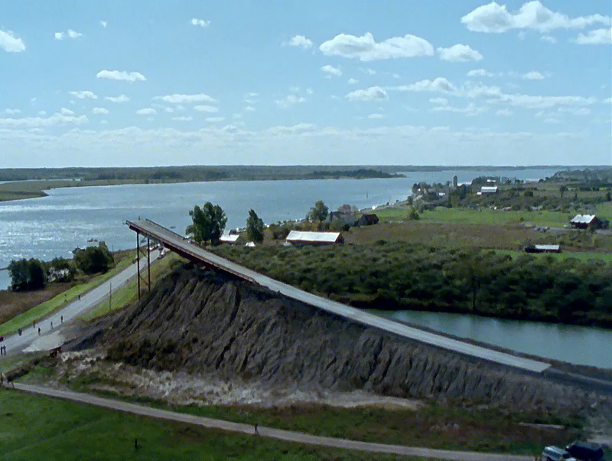
Zenda Farms has been a silent marker of time to the rich history of Clayton and the Thousand Islands for well over a century. From its earliest days as a summer retreat, through a golden era of cutting-edge farming, to its current role as a living Preserve under the permanent protection of the Thousand Islands Land Trust (TILT), this place embodies the evolving story of agriculture, innovation, and conservation in the region.
A Very Fine Cottage?
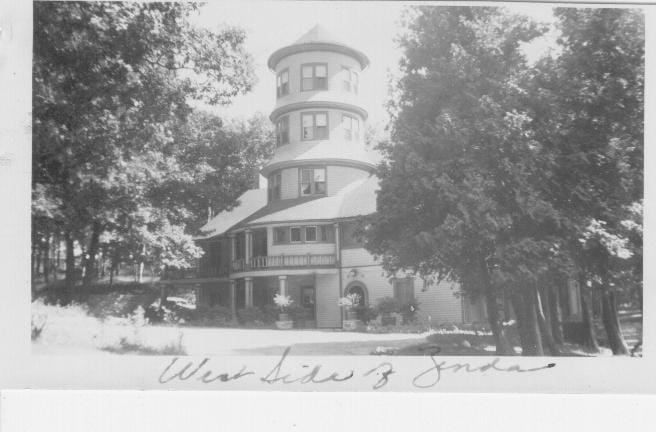
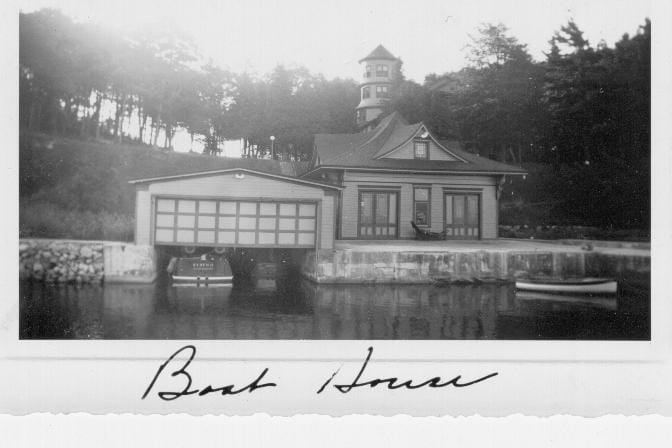
L: The west façade of the Zenda house, shown after Martha Reed Mitchell’s elegant renovations—a glimpse into the estate’s storied past. Photo Courtesy of Ralph Downey. R: The historic Skiff House—Zenda’s sole surviving original structure—still standing as a quiet witness to the property’s long history. Photo Courtesy of Ralph Downey.]
The story begins not with cows or cream, but with a cottage. In 1883, a “very fine cottage,” named Woodlawn was built near the St. Lawrence River for Mrs. T.N. Howard. Designed by the New York City architecture firm Lamb and Rich, Woodlawn was said to be modeled after Bonniecastle—yes, all one word—a grand mansion in Alexandria Bay built for Dr. Josiah Holland, a prominent writer and editor. Though today Bonnie Castle operates as a resort, hotel, restaurant, marina, and pub, its early architectural connections hint at the land’s long-standing significance and the people who were drawn to its beauty and potential.
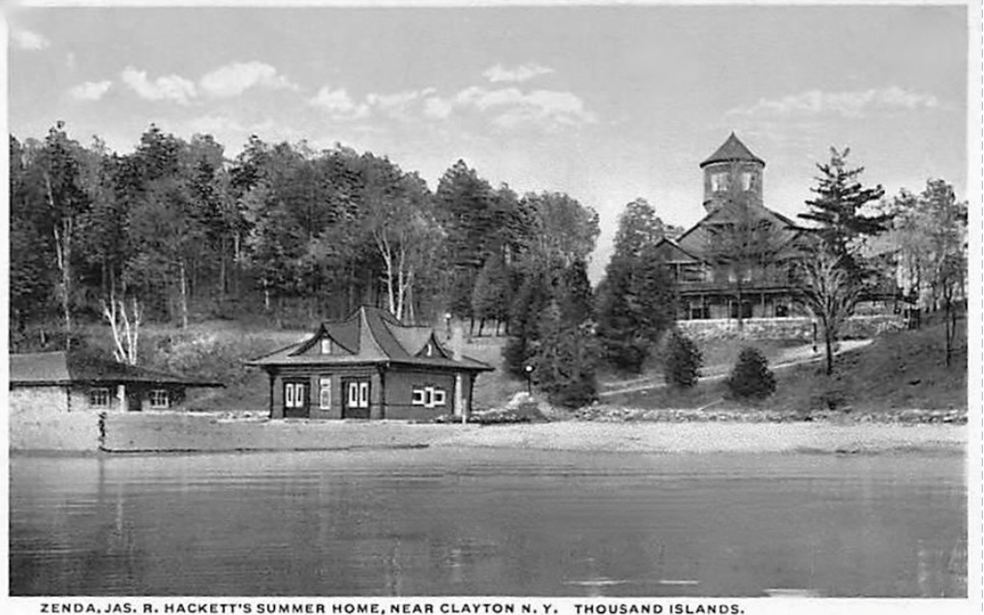
By the end of the 19th century, Woodlawn had grown considerably under the new ownership of Martha Reed Mitchell, the widow of banking and railroad mogul Alexander Mitchell. Martha took the modest cottage and transformed it into a sprawling 30-room estate with stables, boathouses, and a touch of philanthropy—donating, among other things, a mahogany altar to Clayton’s Congregational Church. She summered here until her death in 1902, after which the estate changed hands several times. Just before her death, Martha sold the property to Herbert S. Johnson, who changed the name for this property to the Woodlands.
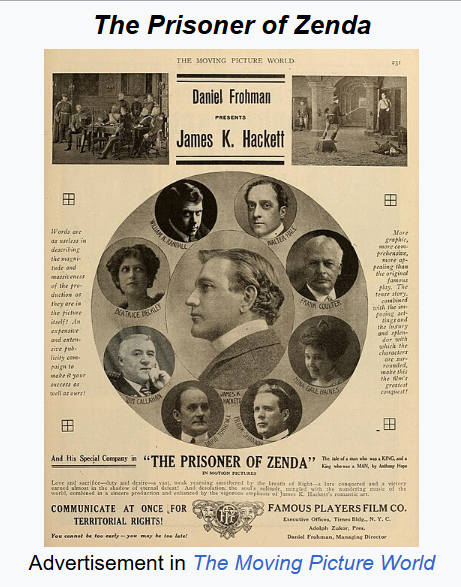
It wasn’t until 1915 that the name Zenda was born, when the actor James K. Hackett—famous for his role in The Prisoner of Zenda, a part he brought to life both on stage and in the silent film adaptation—purchased the property. He renamed it in honor of his greatest theatrical triumph, adding a dash of Broadway to the storied riverfront. Hackett performed locally, infusing the estate with a new era of cultural energy and leaving his mark on its vibrant history. And that name would endure, forever linking the property to Hackett’s theatrical legacy—Zenda became more than a name; it became a story, a memory, a touchstone connecting the land, its people, and its history for generations to come.
Merle Youngs
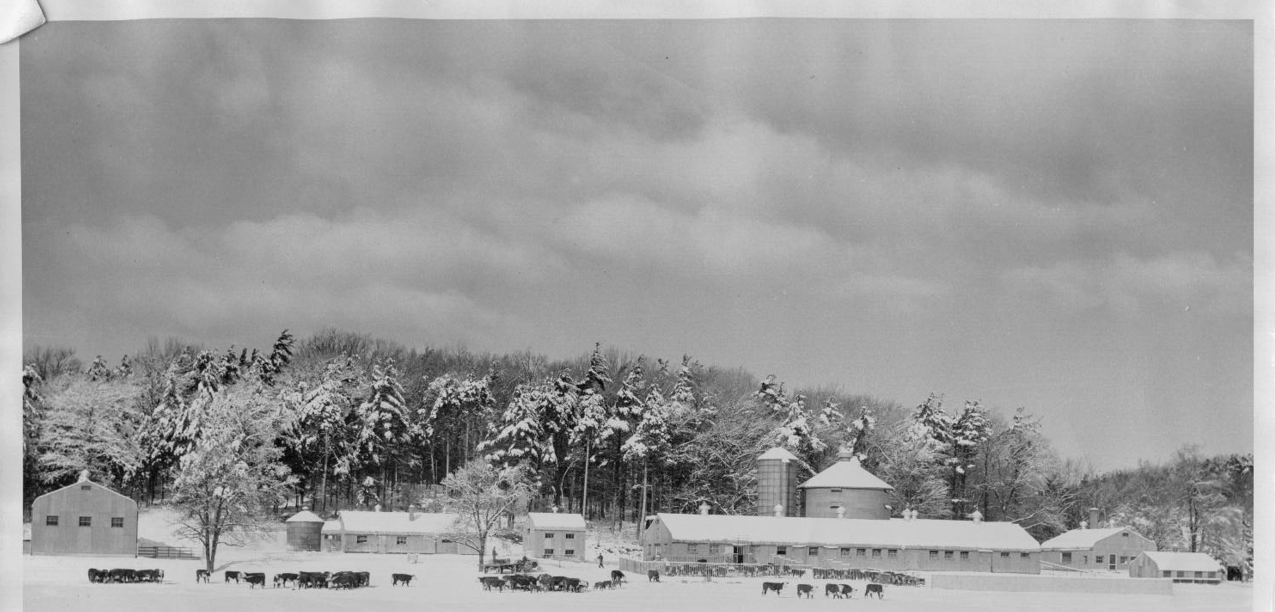
Winter at Zenda Farms, when cattle once roamed its sweeping snow-covered fields and the barns bustled with activity. Photo Courtesy of Ralph Downey.]
The property’s greatest transformation came in 1939, when businessman and avid sailor Merle Youngs took ownership. He didn’t see Zenda merely as a retreat, but as a challenge—an opportunity to build something remarkable. What began as a hobby farm quickly grew into one of the North Country’s most advanced agricultural operations.
At its peak, the farm spanned more than 700 acres and became home to 10 gleaming Jamesway barns—state-of-the-art steel and wood structures that set new standards for efficiency and durability. Innovative for their time, the barns featured electrified windows to keep insects out and Jefferson County’s first automatic milk bottling plant. Locals still tell stories about the exceptionally clean milk that was produced here, a testament to Young’s vision and ambition.
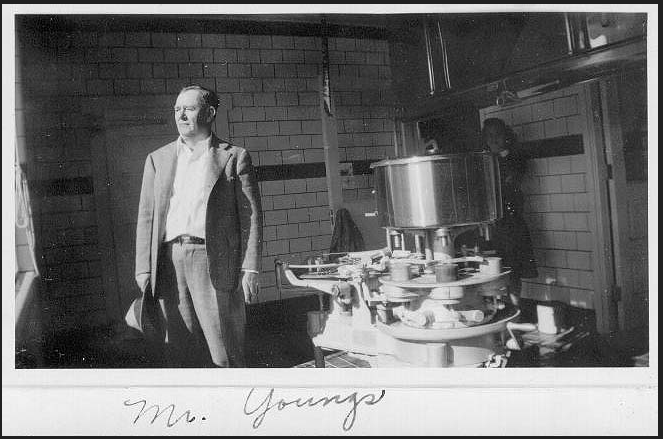
When a devastating fire destroyed one of the main dairy barns in 1940, Youngs didn’t hesitate—he rebuilt immediately, bigger and better, with even newer innovations. Under the expert management of Clinton Maldoon, the farm thrived, supplying prime dairy to Clayton and surrounding communities until 1958, when Robert Kittle took over and began transitioning the operation from dairy to beef cattle.
In the years that followed, over one thousand heads of cattle roamed the rolling hills of Zenda and on additional farmland Merle Youngs owned in the region. After his death in 1958, John and Lois Jean MacFarlane inherited the property and continued to operate it as a working farm. At this time, farms like these were once the heartbeat of local life and economy, yet the rhythms of agricultural life were beginning to shift—mechanization, rising costs, and shifting labor patterns were reshaping the way farming families lived and worked.
By the 1960s, the constant hum of activity had quieted. When the once-magnificent Lodge burned in 1991, the barns remained, weathering the seasons with dignity even as their purpose had faded. For all those years, locals held onto quiet hope that the barns would one day awaken from their long slumber and once again hold meaning for the community, as if they were simply taking a long nap.
Thousand Islands Land Trust
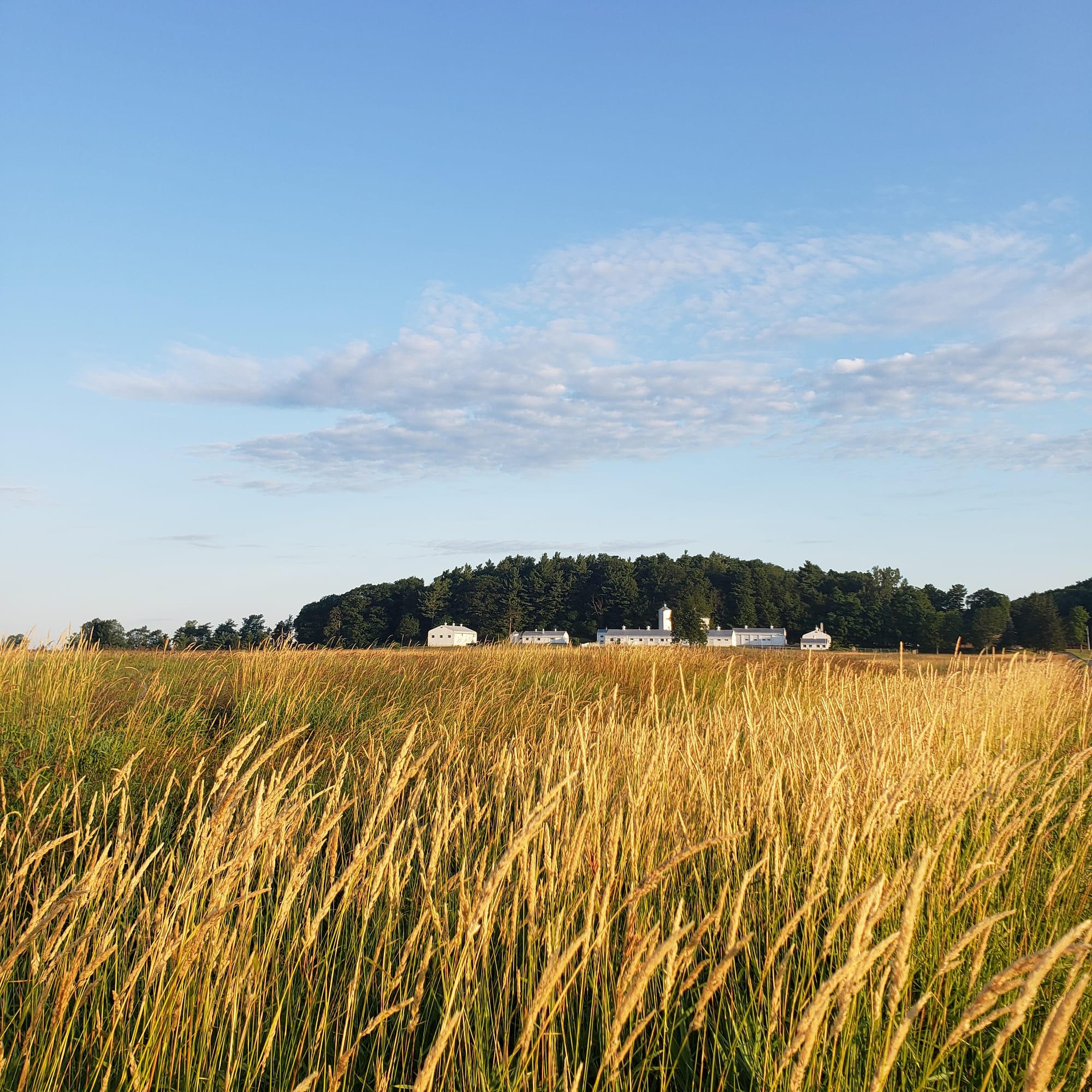
Then, in 1997, a transformative gift changed everything. The MacFarlane’s donated 108 acres of the former estate to the Thousand Islands Land Trust, breathing new life into Zenda Farms. The barns once central to a bustling farm, now stood as silent witnesses to a new era, linking the land’s storied past to a future of conservation and community.
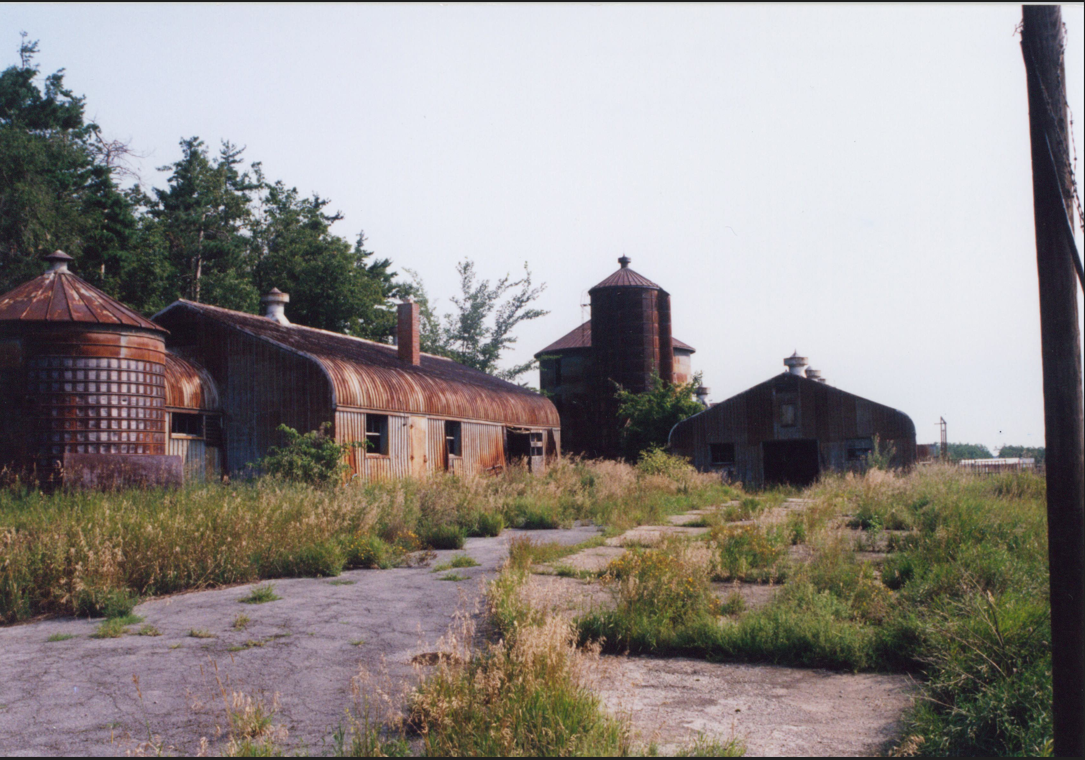
When TILT first acquired the property, the Jamesway barns were showing their age. The once-shiny silver of the iconic structures had dulled to a coat of rust, and the elegant forms that had once symbolized mid-century agricultural innovation, were in danger of being lost to time. But by 1999, just a few years after the Land Trust’s acquisition, a massive restoration effort was underway. All ten barns were cleaned out, stripped of decades of accumulated rust, and carefully repainted to recapture their original silver patina. This act of preservation was a commitment to honoring the region’s agricultural past while opening the doors to new possibilities for Zenda Farms and the community it serves.
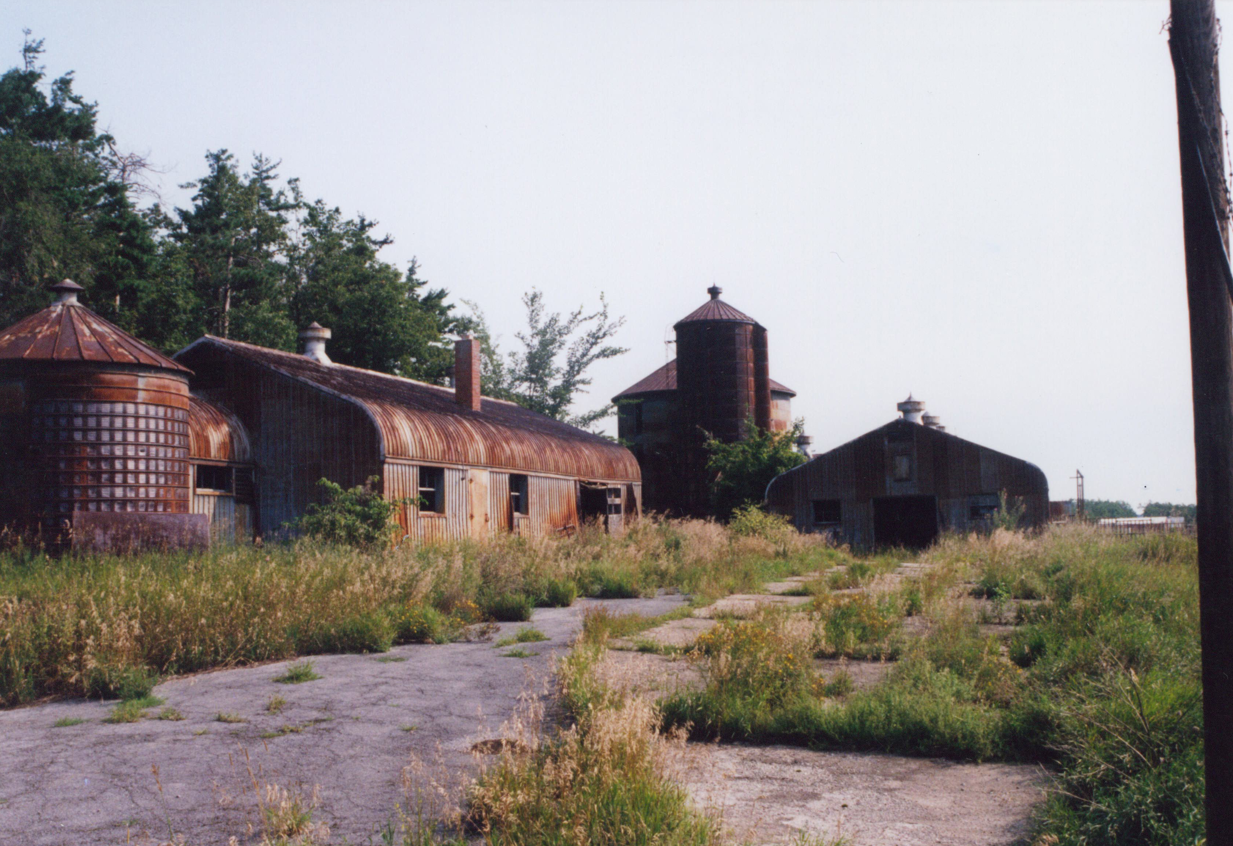
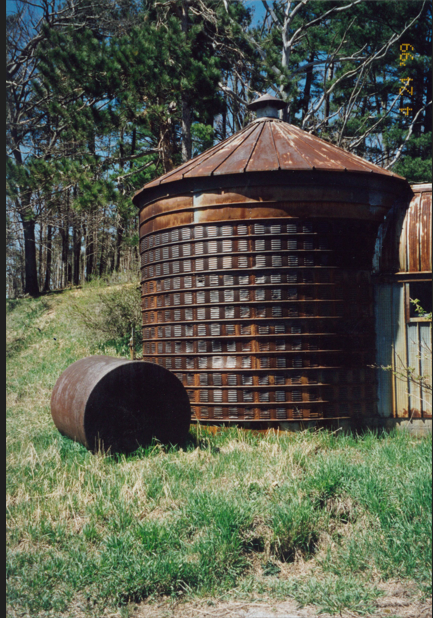
L: In 1999, the iconic Jamesway barns stood rusted and vacant, their purpose forgotten—awaiting the restoration that would one day bring them back to life; R: In 1999, the grain silo at the former hog barn stood weathered and rusting—later restored by TILT after acquiring the property.]
TILT Preserve
Over the following years, TILT expanded the Preserve to nearly 400 acres. Trails were added for recreation and respite, wetlands restored, and grasslands carefully managed to support native wildlife. Trees were planted by volunteers, and environmental education programs brought a new layer of life, filling the Preserve with the curiosity and laughter of children discovering the land for the first time. Slowly, Zenda began to breathe again, tapping into its deep roots and growing into a beloved community space once more—a place where history, nature, and people come together, each season adding new stories to its long, unfolding legacy.
In 2025, as TILT celebrates its 40th Anniversary, that legacy is more alive than ever at Zenda Farms Preserve. The land has become a living testament of what four decades of conservation, restoration, and community-building can achieve. From the song of the Bobolinks in the tall grasses to the hum of bees in nearby hives, this special place is no longer a relic—it’s a reflection of the life and vitality that careful stewardship and vison can bring.
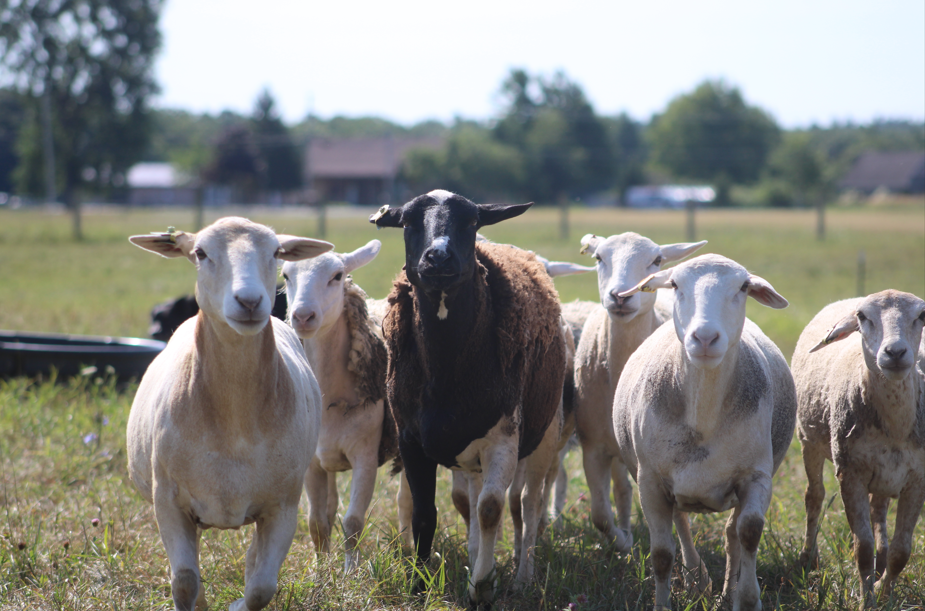
Perhaps a more vivid sign of revival is the return of farm animals. In 2023, livestock came back to the farm for the first time in decades. By 2024, under the eye of shepherdess Kat Hammond, a flock of sheep and a team of skilled border collies once again roam the pastures. On Friday mornings at 9:00am during the summer, visitors gather to watch the dogs expertly herd the sheep, a display of tradition, training, and charm that brings the farm’s history to life.
Now Guided Historic Jamesway Barn Tours
New this year, the Land Trust offered Guided Historic Jamesway Barn Tours, held on Fridays at 10:00am. until the end of August, giving visitors a rare opportunity to learn about these iconic restored barns and hear their fascinating stories. Led by TILT’s seasonal Community Outreach Assistant, Kelly Picunas, the tours took guests through the heart of the farm, highlighting both historic function and farm life.
Visitors start with the Machine Shed, once home to molasses storage—a daily sweet treat for the cattle that also boosted their health and energy, especially during chilly winters when special heaters kept the molasses flowing smoothly. They’ll see the towering silo that held nutrient-rich corn silage, vital to feeding both dairy and beef cattle, and learn about the essential, if less glamourous, manure pit, engineered for efficient waste management on the farm.
The tour continues to the Young Stock Barn, where hogs and young cattle were raised with care to ensure strong, healthy animals, and the massive Hay Storage Barn, which reveals just how much hay was needed to keep the farm’s livestock nourished through harsh North Country winters. Beyond the barns, visitors can enjoy views of the vineyard, planted in 2018, where grapes are harvested to create jams, jellies, and wines during community events. The surrounding grasslands and restored wetlands are alive with wildlife like threatened birds and turtles, and across the road, the Preserve’s own bee hives produce the honey sold in the Creamery and TILT Office during the off season. On the other side of the Community Garden, the Mead Family Maple Grove flourishes—a growing sugar bush that produces maple syrup, also available for purchase.
As your visit to Zenda Farms Preserve winds down, a stop by the Mary & Ted Mascott Welcome Center at the Creamery is a welcoming finale. This beautifully restored space was once the heart of Jefferson County’s first dairy bottling operation, built by Merle Youngs himself. Today, it invites visitors to explore Zenda’s past while enjoying Zenda-inspired merchandise, picking up trail guides, and learning about the farm’s lively sheep demonstrations. Open Wednesday through Friday during the summer, the Creamery stands as a testament to the farm’s rich cultural heritage and offers a perfect spot to end a journey through Zenda Farms’ remarkable past and vibrant present.
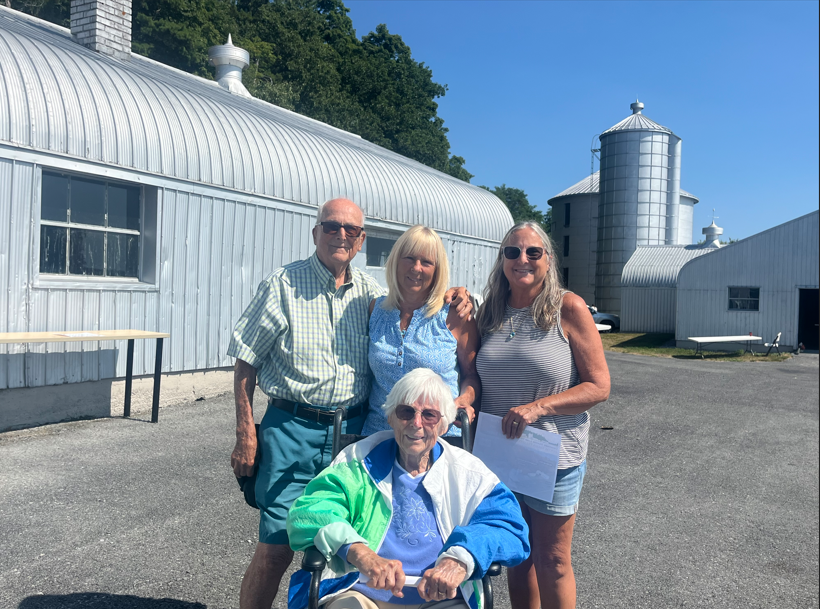
One very special guest this summer was 95-year-old Lyle Maldoon, the son of Zenda’s first farm manager. As he walked the grounds, Lyle shared stories only someone who grew up there could. He remembered how his father insisted the pastures remain a flawless green, sending him row by row to pull goldenrod and weeds. He laughed as he recalled a teenage mishap while exercising a horse: it stepped in a woodchuck hole, bolted across the field, jumped a fence, and ran straight into the Hay Storage Barn— “I just hung on for dear life.”
Inside the Dairy Barn, memories of milking by hand and excitement of Zenda’s first machines came flowing back. Gesturing around the steel-clad walls, he said with pride, “I mean look at it right now—it’s darn near 100 years old.”
Lyle spoke with admiration of both Merle Youngs and his own father, who were determined not only to keep the farm productive but also to maintain its pristine appearance. That combination of vision, hard work, and attention to detail is what made Zenda endure. For him, the tour was more than a walk-through history; it was a return to the place that had shaped his youth. “It was certainly very emotional for me,” he reflected. “The last time I was in this barn was 1950,” he stated, grateful to see Zenda thriving once more.
Together, these stories and experiences make Zenda Farms Preserve a unique living museum—one where history, nature, and community intertwine. It reminds us that conservation is not just about protecting the land, but about honoring the legacy of those who shaped it and inspiring future generations to carry that stewardship forward. Zenda’s revival is a proof to the power of vision, dedication, and a deep love for the Thousand Islands. TILT is proud to carry on the farm’s voice, ensuring its story echoes through the land and community while preserving its history for generations to come —and visitors can look forward to experiencing the Jamesway barns firsthand when tours return next year.
By Bridgett McCann, Thousand Islands Land Trust, Clayton, NY.
Bridgett McCann recently joined TILT as Communications Specialist. She is a graduate of St. Lawrence University with a Bachelor of Arts (B.A.) degree in Government and Environmental Studies, As a copy editor with experience communicating about conservation topics, she looks forward to making a positive impact in the Thousand Islands region, a place close to her heart. Originally from Rochester NY, Bridgett spent many summers in the Thousand Islands. Outside of professional pursuits, she enjoys spending quality time outdoors and on the River with her family, friends, and two rambunctious black labs River and Rosie.
Editor's Note: Full disclosure, I was on the board of TILT for a couple of those early decades, and certainly I am proud of all that has been accomplished. But truth be told, there are certain individual board members and volunteers who have worked tirelessly to make Zenda Farm what is it today. I am smiling as I remember the board "discussions" over the years and each one of those individuals got their way and for that I am truly grateful. Thanks gang... you's done it!